To ensure your ferret stays in good health, it’s important to schedule an annual examination. This allows us to keep track of any changes in your pet’s health and to identify or prevent diseases early on, making them easier to manage. As ferrets age, they may require extra testing and dental care.
Ferrets commonly face health issues such as gastrointestinal disorders, parasites, and cancer. These curious animals often ingest items that are not safe for them. Conducting regular blood tests can reveal potential problems with the kidneys, liver, or pancreas.
Additionally, ferrets can greatly benefit from vaccinations and monthly preventive measures, which we can discuss during your visit. Please remember to bring a stool sample for your ferret’s annual check-up so we can test for internal parasites.
If you do not plan on breeding your ferret, we strongly recommend spaying or neutering them. Female ferrets, known as jills, do not need to reproduce to remain healthy; in fact, spaying can be lifesaving. Unspayed jills will continue to go into heat until they mate, which may lead to anemia—a serious condition that can be fatal. Neutering male ferrets can help decrease their strong odor, limit territorial marking, and reduce aggressive behavior.
If your ferret exhibits any unusual signs such as vomiting, diarrhea, hair loss, loss of appetite, difficulty breathing, black ear wax, discharge from the eyes or nose, lumps, swelling, or increased aggression or sexual behavior (particularly in neutered males), please reach out to us immediately.
Is your pet ferret due for a wellness check or showing signs of health concerns? At Murieta Pet Hospital in Rancho Murieta, CA, we specialize in exotic pet medicine with comprehensive ferret care services. Our experienced team treats ferrets with the same level of compassionate care and medical expertise we provide to all exotic patients, offering routine checkups, surgical services, and specialized treatment for the unique health issues these exotic animals face. Our dedicated team in Rancho Murieta is here to provide expert exotic animal medicine – because your pet ferret is family and deserves specialized veterinary care from a ferret vet who understands their unique needs!
Ferrets are fascinating exotic pets with distinct physiological needs that differ significantly from traditional companion animals. As an exotic pet owner, understanding these differences is essential for maintaining your pet’s health throughout their life. Ferrets require specialized veterinary medicine knowledge, making it crucial to work with a veterinarian experienced in exotic medicine and ferret medicine.
Pet ferrets have unique metabolic rates, digestive systems, and disease susceptibilities that demand expertise in exotic animal medicine. Their curious nature leads them to explore environments thoroughly, sometimes resulting in ingestion of foreign objects or exposure to household hazards. This inquisitive behavior, combined with their small size and rapid metabolism, means health issues can progress quickly, requiring prompt attention from a qualified ferret vet.
Understanding normal ferret behavior helps pet owners recognize when something is wrong. Healthy ferrets are playful, curious, and active during their waking hours. They sleep deeply for extended periods but should be alert and energetic when awake. Changes in activity level, appetite, or bathroom habits often signal health issues requiring veterinary care from someone trained in exotic pet medicine.
Ferrets age differently than other pets, with most considered senior around 3-4 years old. As ferrets age, they become more susceptible to certain conditions including adrenal disease, insulinoma, and various cancers. Regular monitoring through routine checkups and preventative care becomes increasingly important for maintaining optimal health throughout their lifespan.
The average ferret lives 6-10 years with proper care, though many factors influence longevity including genetics, diet, environment, and access to quality veterinary medicine. Working with a veterinarian experienced in ferret care significantly improves health outcomes and helps your exotic pet enjoy a full, healthy life.
Ferrets commonly face specific health issues that require expertise in exotic medicine to diagnose and treat effectively. Understanding these conditions helps pet owners recognize warning signs early, when proper treatment is most effective.
Adrenal disease ranks among the most common health problems affecting ferrets as they age. This condition causes adrenal glands to produce excessive hormones, leading to hair loss (typically starting at the tail), increased sexual behavior even in neutered males and spayed female ferrets, muscle wasting, and sometimes aggression. Early detection through routine checkups and regular blood tests allows for proper treatment including medication or surgical services to remove affected adrenal glands.
Insulinoma, a tumor of the pancreas that causes excessive insulin production, frequently affects middle-aged and older ferrets. Signs include weakness, lethargy, pawing at the mouth, drooling, and in severe cases, seizures. This condition requires ongoing medical services including dietary management, medication, and sometimes surgical intervention. Regular blood tests during routine checkups help detect this condition early.
The curious nature of ferrets leads many to swallow inappropriate items including rubber toys, foam, fabric, or other household objects. These foreign bodies can cause life-threatening intestinal blockages requiring emergency surgical services. Additionally, ferrets are susceptible to gastrointestinal diseases, inflammatory conditions, and digestive disorders that demand proper treatment from a veterinarian experienced in exotic animal medicine.
Internal parasites including intestinal worms and coccidia can affect your pet ferret’s health. External parasites such as fleas, ear mites, and mange also pose threats. Regular fecal testing during routine checkups identifies internal parasites before they cause serious health issues. Your ferret vet can recommend appropriate preventative care protocols to protect against both internal and external parasites.
Like other pets, ferrets develop dental problems as they age including tartar buildup, gingivitis, and tooth decay. Regular dental care examinations during veterinary care visits and, when necessary, professional dental cleanings under anesthesia help maintain oral health. Poor dental health can lead to systemic health issues affecting the heart, kidneys, and other organs.
Cardiomyopathy, a disease affecting the heart muscle, occurs in ferrets and can lead to heart failure if untreated. Signs include lethargy, difficulty breathing, decreased appetite, and weakness. Veterinarian examination and regular blood tests help detect heart disease early, allowing for proper treatment that improves quality of life.
Various cancers affect ferrets including lymphoma, which can occur at any age. Signs vary depending on cancer type and location but may include lethargy, weight loss, lumps, swelling, or changes in appetite or behavior. Early detection through routine checkups improves treatment options and outcomes.
If your pet ferret exhibits any unusual symptoms including vomiting, diarrhea, hair loss, loss of appetite, difficulty breathing, black ear wax, nasal discharge, eye discharge, lumps, swelling, increased aggression, or sexual behavior (particularly in neutered males), contact our ferret vet immediately for evaluation.
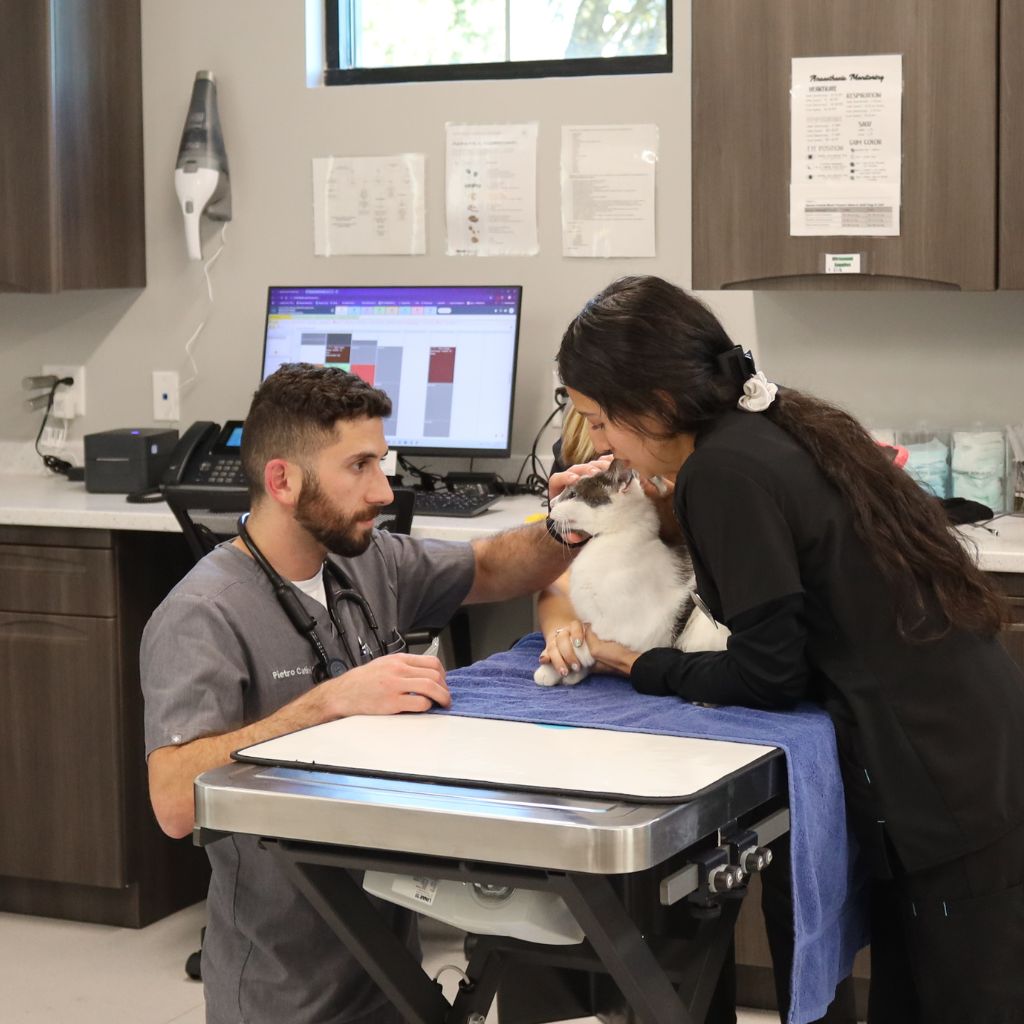

At Murieta Pet Hospital, we offer complete exotic pet medicine services specifically designed to treat ferrets and other exotic animals. Our veterinarian and veterinary technician team understand the unique needs of exotic patients and provide compassionate care throughout every stage of your pet ferret’s life.
Wellness Examinations
Diagnostic Testing
Surgical Services
Preventative Care
Dental Care
Emergency Care
Proper nutrition and appropriate housing are essential for maintaining your pet ferret’s health. Our exotic medicine team provides guidance about meeting these fundamental needs.
Ferrets require high-protein, meat-based diets with specific nutritional profiles. As obligate carnivores, they need animal protein and fat, with limited carbohydrates. Commercial ferret foods formulated to meet these requirements provide appropriate nutrition, though quality varies significantly between brands. Our ferret vet can recommend specific foods supporting optimal health for your exotic pet.
Ferrets have short digestive tracts and fast metabolisms, requiring multiple small meals throughout the day. Many pet owners free-feed dry ferret food, supplemented with occasional treats of cooked meat or commercial ferret treats. Foods to avoid include sugary items, grains, dairy products, and anything high in plant-based ingredients.
Fresh water must be available at all times. Ferrets drink frequently due to their active metabolism. Both water bottles and bowls work well, though some ferrets prefer one over the other. Clean and refill water containers daily to ensure freshness.
Pet ferrets need spacious housing with multiple levels, sleeping areas, and enrichment opportunities that accommodate their curious nature. While ferrets benefit from supervised time outside their enclosure, they require secure housing when unsupervised to protect them from hazards and prevent escape.
The enclosure should include soft bedding for sleeping, litter box for bathroom needs (ferrets can be trained to use litter), food and water containers, and toys for mental stimulation. Regular cleaning maintains hygiene and prevents health issues.
Ferrets are social exotic animals that thrive with companionship. Many pet owners keep multiple ferrets together, which provides social interaction and enrichment. However, introducing ferrets requires gradual, supervised interaction to ensure compatibility. Our team provides guidance about safely housing multiple ferrets together.
Ferrets are sensitive to temperature extremes. They tolerate cool temperatures better than heat and are susceptible to heat stroke when exposed to temperatures above 80-85°F. Housing should be in climate-controlled areas with temperatures between 60-70°F for optimal health.
Daily supervised exercise outside the enclosure allows ferrets to explore, play, and express their curious nature. However, ferret-proofing is essential – they can squeeze through surprisingly small spaces, chew on electrical cords and other hazards, and ingest dangerous items. Our ferret vet can provide guidance about safe enrichment activities supporting your exotic pet’s physical and mental health.
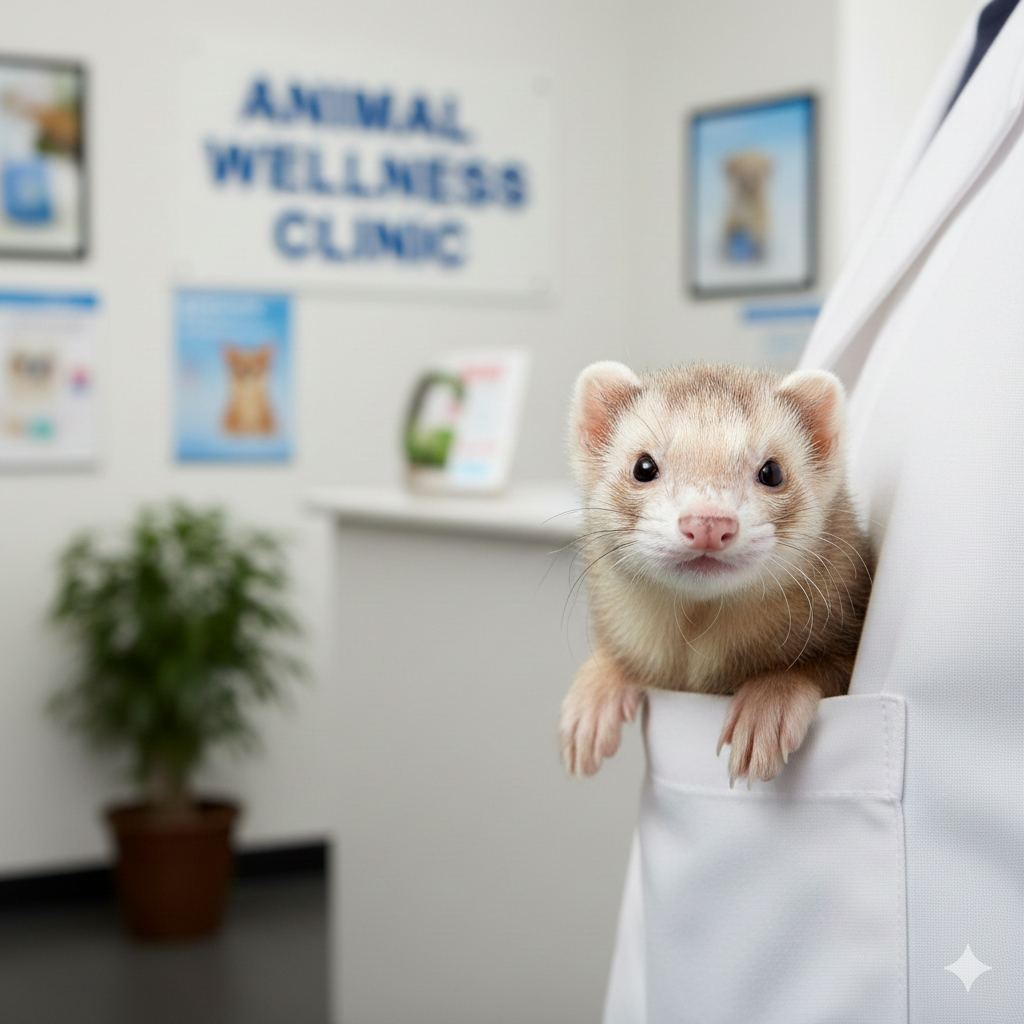
Spaying and neutering provide significant health and behavioral benefits for pet ferrets not intended for breeding. These surgical services should be performed by a veterinarian experienced in exotic animal medicine using appropriate techniques and anesthesia protocols.
Female ferrets, also called jills, experience profound health risks if left unspayed. Unlike other pets, female ferrets remain in heat continuously until they breed, a condition that causes severe anemia through prolonged estrogen exposure. This anemia can be fatal if not addressed through either breeding or spaying. Since most pet owners do not intend to breed ferrets, spaying is strongly recommended and potentially life-saving.
Spaying female ferrets eliminates heat cycles, prevents unwanted pregnancies, reduces odor, and eliminates the risk of life-threatening anemia from prolonged heat. The procedure also reduces risk of certain cancers and uterine infections. Most veterinarians recommend spaying around 6 months of age, though the procedure can be performed safely in adult female ferrets.
Neutering male ferrets provides multiple advantages for pet owners and improves quality of life for the ferret. Intact male ferrets have significantly stronger odor than neutered males due to hormonal influences on scent glands. Neutering reduces this odor substantially, making ferrets more pleasant house companions.
Neutering also helps reduce aggressive behavior toward other ferrets and humans. Intact male ferrets display increased territorial marking through urination and may show increased sexual behavior toward other pets or even pet owners. Neutering decreases these behaviors significantly, making male ferrets more suitable as companion exotic pets.
The procedure reduces roaming instincts and sexual frustration, helping male ferrets settle into household routines more easily. Neutered males integrate better with other pets and are generally calmer and more affectionate. Most veterinarians recommend neutering around 6-8 months of age.
At Murieta Pet Hospital, we understand that ferrets require specialized knowledge and experience that goes beyond traditional veterinary medicine. Our commitment to exotic pet medicine ensures your pet ferret receives compassionate care from professionals who truly understand these unique exotic animals.
Our veterinarian has extensive training and experience in exotic medicine and ferret medicine specifically. We understand the unique physiology, disease processes, and treatment protocols that treat ferrets effectively. This specialized knowledge makes a significant difference in health outcomes for exotic patients, as treatments appropriate for dogs and cats often aren’t suitable for ferrets.
Our veterinary technician team receives ongoing training in handling, restraining, and caring for exotic animals. This expertise ensures your pet ferret experiences minimal stress during examinations and procedures while receiving the highest quality medical services.
From routine checkups and preventative care through diagnostic testing and surgical services, we provide complete medical services for ferrets under one roof. This integrated approach ensures continuity of care throughout your exotic pet’s life, eliminating the need to seek specialists elsewhere for most conditions.
Our in-house laboratory and imaging capabilities allow rapid diagnosis of health issues, enabling prompt proper treatment when time is critical. For ferrets, whose health can change rapidly, immediate access to diagnostic testing can be life-saving.
We recognize that every ferret is unique with individual health needs, personality traits, and environmental circumstances. Our approach to ferret care includes developing customized wellness and preventative care protocols appropriate for your specific pet. Whether you have male ferrets, female ferrets, young ferrets, or senior ferrets age 3 or older, we tailor our recommendations to support optimal health at every life stage.
As a pet owner, understanding your ferret’s needs empowers you to provide excellent home care between veterinary visits. Our team takes time to educate clients about normal ferret behavior, dietary requirements, housing needs, and warning signs of health issues requiring immediate attention. We want you to feel confident caring for your exotic pet while knowing our ferret vet team is available when you need professional guidance.
While we proudly serve dogs, cats, and other pets, our dedication to exotic animal medicine ensures exotic patients receive the same level of compassionate care and medical expertise as traditional companion animals. We invest in equipment, training, and protocols specifically for exotic pets, demonstrating our commitment to these special animals who deserve veterinary care equal to any other pet.
Our veterinary team is experienced in treating numerous exotic species, providing personalized care tailored to each animal’s unique needs. We regularly work with:
Every exotic pet has specific requirements for optimal health, and our veterinarians stay updated on the latest advances in exotic animal medicine to provide superior care for these specialized patients.


At Murieta Pet Hospital, we’re dedicated to helping your pet ferret live a long, healthy life through expert exotic pet medicine and compassionate care. Whether your ferret needs routine checkups, treatment for health issues, or surgical services, our experienced ferret vet team provides the specialized care these wonderful exotic animals deserve.
Don’t wait to address potential health concerns. Regular veterinary care helps detect health issues early when proper treatment is most effective. Ferrets require ongoing preventative care, dental care, and monitoring as they age to maintain optimal health throughout their lives.
Don’t settle for veterinary care from practitioners with limited exotic pet experience. Contact us today at (916) 885-0288 or through our online form to schedule an appointment for your exotic companion.