Advanced cardiac diagnostics and compassionate care for your beloved pets – because every heartbeat matters to those who matter most to you.
At Murieta Pet Hospital, our team of UC Davis-trained veterinarians provides specialized pet cardiology services for Rancho Murieta and surrounding communities. With our advanced diagnostic equipment and specialized training in veterinary cardiology, we deliver exceptional care typically found only in larger urban veterinary centers. While many complex cardiac conditions may require referral to a board certified veterinary cardiologist, we provide comprehensive initial evaluations, ongoing monitoring, and collaborative care to ensure your pet's heart stays as healthy as possible.
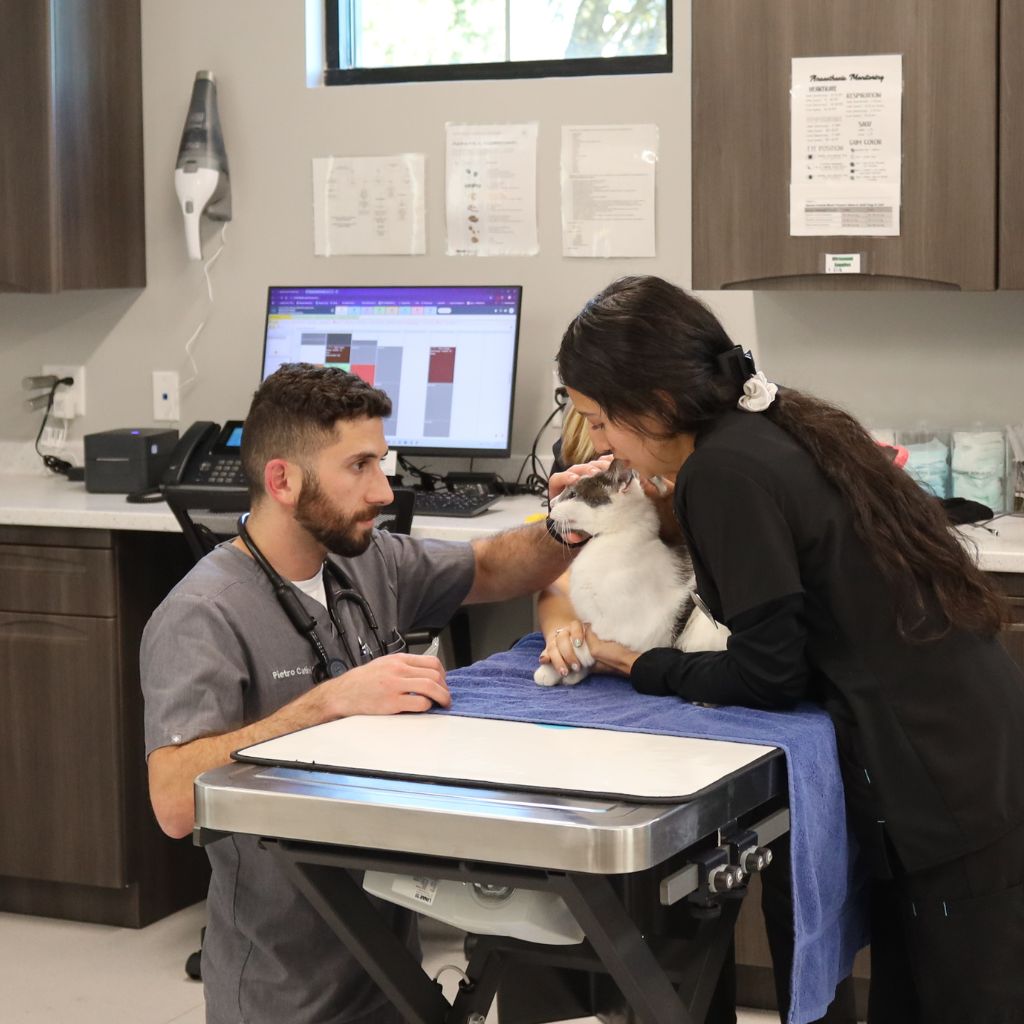
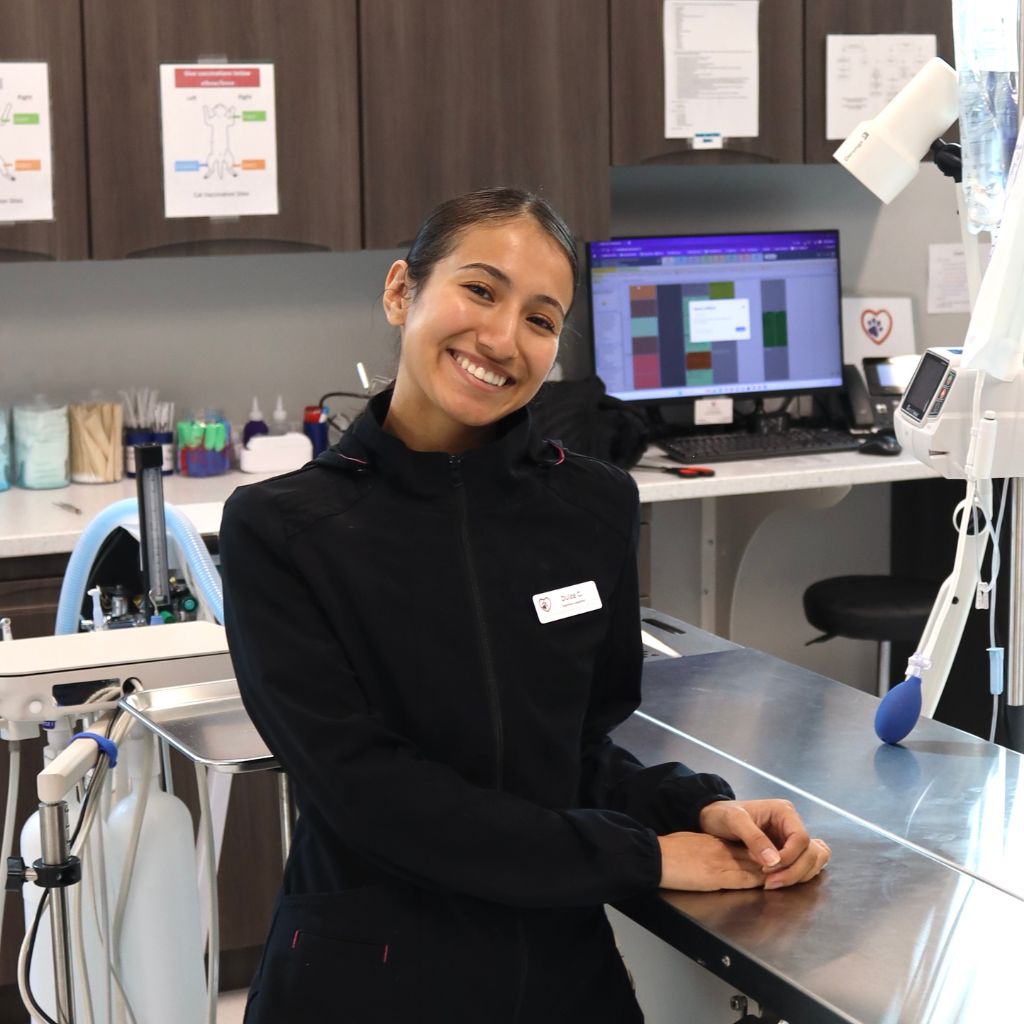
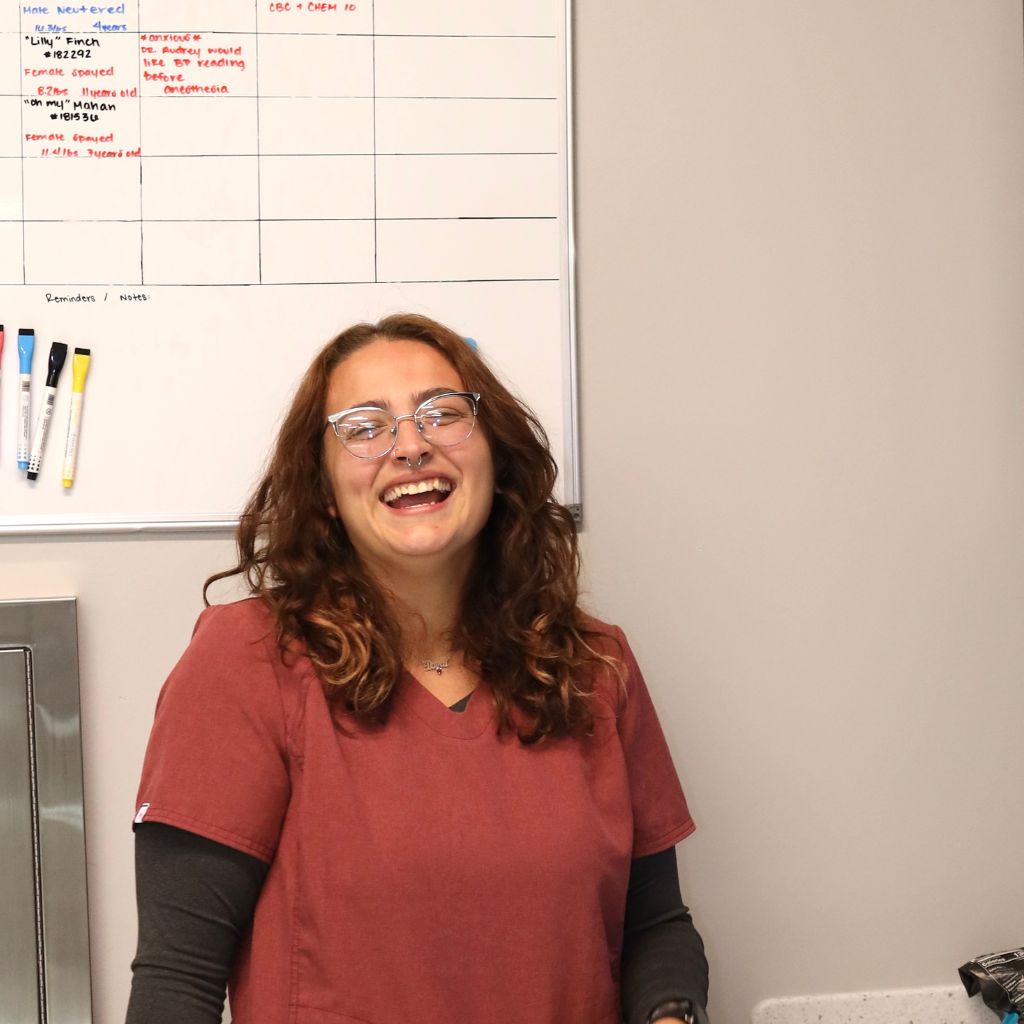
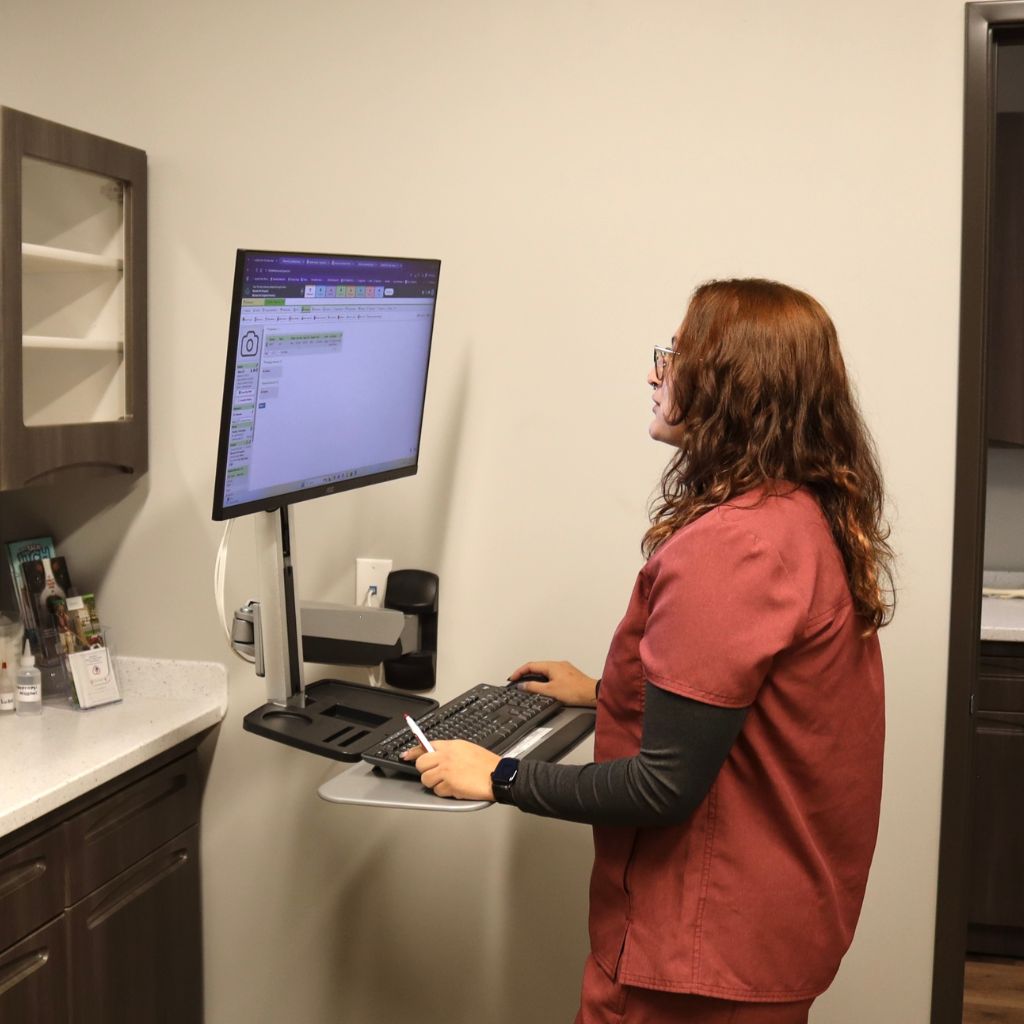
Heart disease affects our pets just as it affects humans, often progressing silently until symptoms become severe. According to veterinary studies, approximately 10% of all dogs and cats will develop some form of heart disease during their lifetime, with certain breeds facing significantly higher risks. Early detection and specialized cardiac care can dramatically improve your pet’s prognosis, quality of life, and longevity when facing cardiovascular challenges.
At Murieta Pet Hospital, our team of UC Davis-trained veterinarians provides specialized pet care for Rancho Murieta and surrounding communities. With our advanced diagnostic equipment and specialized training, we deliver exceptional cardiology services typically found only in larger urban veterinary centers. As a family-owned practice, we treat your pets like our own family members, providing the same level of compassionate cardiac care we would want for our own beloved animals.
Veterinary cardiology is a branch of veterinary internal medicine dedicated to diagnosing and managing heart disease and related cardiac conditions in animals. Veterinary cardiologists undergo extensive additional training beyond veterinary school to become board certified veterinary cardiologist practitioners. These cardiology specialists complete residency programs accredited by the american college of veterinary internal medicine, which requires advanced training in diagnosing and treating cardiac patients. During their residency, veterinary students and recent graduates work alongside experienced board certified veterinary cardiologists, learning to recognize clinical signs of heart disease in both small animals like cats and dogs, and sometimes large animals like horses and cattle. A board certified veterinary cardiologist treats diseases of the feline cardiovascular system differently than canine heart conditions, as cats present unique challenges in cardiac care.
Our hospital offers sophisticated diagnostic tools to identify and evaluate cardiac conditions with precision and accuracy. These diagnostic tests help us assess your pet’s heart function, measure blood pressure, and detect any abnormalities in how the heart and blood vessels operate. Recognizing clinical signs early allows us to intervene before cardiac patients develop severe complications.
Electrocardiography records the electrical activity of your pet’s heart, helping us identify arrhythmias (irregular heartbeats) and other electrical conduction abnormalities. Our hospital offers both in-house ECGs for immediate assessment and Holter monitors for 24-hour recordings, allowing us to detect intermittent arrhythmias and symptoms not appearing during standard examinations. When cardiac patients show severe arrhythmias, a board certified veterinary cardiologist may recommend pacemaker implantation to regulate heart rhythm and improve quality of life.
While procedures like cardiac catheterization are typically performed by a board certified veterinary cardiologist at referral centers, we work collaboratively to ensure your pet receives appropriate care. Cardiac catheterization allows cardiology specialists to directly measure blood pressure within the heart chambers and evaluate how blood vessels are functioning. In some cases, cardiac catheterization can also be therapeutic, allowing the cardiologist to perform minimally invasive cardiac surgery to correct certain defects without open-heart procedures.
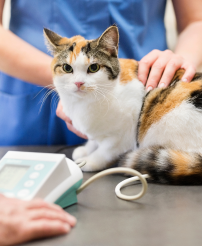
Regular blood pressure monitoring is essential for detecting hypertension (high blood pressure) in pets. High blood pressure can damage your pet’s heart, blood vessels, kidneys, and eyes if left untreated. Many cardiac conditions cause elevated blood pressure, while hypertension itself can lead to heart disease. Veterinary cardiologists particularly emphasize blood pressure control when managing heart failure and other cardiac conditions, as maintaining healthy blood pressure reduces strain on your pet’s heart and lungs.
Our cardiology team has extensive experience diagnosing and treating a wide range of cardiac conditions in pets of all ages and breeds. Our team treats diseases affecting both small animals and understands when cardiac patients need referral for advanced interventions.
Congestive heart failure occurs when the heart cannot pump blood efficiently, leading to fluid accumulation in the lungs or abdomen. Signs may include coughing, difficulty breathing, exercise intolerance, and abdominal distension. Our treatment protocols combine medications to improve heart function, manage fluid accumulation in the lungs, control blood pressure, and enhance quality of life. While a board certified veterinary cardiologist may manage complex congestive heart failure cases, we provide ongoing monitoring and medication adjustments. Distinguishing between heart failure and lung disease requires careful evaluation, as both conditions can cause similar respiratory clinical signs in cardiac patients.
Feline congestive heart failure presents unique challenges, as cats often hide symptoms until the disease is advanced. Cats with feline congestive heart failure may show sudden onset of severe symptoms, including open-mouth breathing and rapid respiratory rate. Veterinary cardiologists emphasize the importance of early detection in cats, as feline congestive heart failure can progress rapidly once symptoms appear.
Degenerative valve disease, particularly mitral valve disease in small-breed dogs, is one of the most common cardiac conditions we treat. As valves become leaky, they allow blood to flow backward in the heart, reducing cardiac efficiency and potentially leading to heart failure. The heart must work harder to pump blood forward, which increases blood pressure within the heart chambers and can cause fluid to back up into the lungs. Valvular disorders affect many older dogs, and while most cardiac patients can be managed medically, severe cases may require referral to a board certified veterinary cardiologist who performs cardiac surgery to repair or replace damaged valves.
This condition, characterized by thickening of the heart muscle, is the most common heart disease in cats. Many affected cats show no symptoms until the disease is advanced, making regular cardiac screenings essential. The thickened heart walls reduce the chamber size where blood collects, limiting how much blood your pet’s heart can pump with each beat. This cardiac condition also increases the risk of blood clot formation. This form of heart muscle disease affects the feline cardiovascular system differently than other cardiac conditions, requiring specialized knowledge to manage cardiac patients effectively.
Degenerative valve disease, particularly mitral valve disease in small-breed dogs, is one of the most common cardiac conditions we treat. As valves become leaky, they allow blood to flow backward in the heart, reducing cardiac efficiency and potentially leading to heart failure. The heart must work harder to pump blood forward, which increases blood pressure within the heart chambers and can cause fluid to back up into the lungs. Valvular disorders affect many older dogs, and while most cardiac patients can be managed medically, severe cases may require referral to a board certified veterinary cardiologist who performs cardiac surgery to repair or replace damaged valves.
This condition, characterized by thickening of the heart muscle, is the most common heart disease in cats. Many affected cats show no symptoms until the disease is advanced, making regular cardiac screenings essential. The thickened heart walls reduce the chamber size where blood collects, limiting how much blood your pet’s heart can pump with each beat. This cardiac condition also increases the risk of blood clot formation. This form of heart muscle disease affects the feline cardiovascular system differently than other cardiac conditions, requiring specialized knowledge to manage cardiac patients effectively.
Some pets are born with structural heart defects affecting how blood flows through the heart and blood vessels. These congenital cardiac conditions include patent ductus arteriosus, ventricular septal defects, and pulmonic stenosis. Heart defects may cause symptoms in young animals or remain undetected until your regular veterinarian hears a heart murmur during wellness visits. When cardiac surgery is necessary to correct congenital defects, cardiac patients are referred to specialized centers where a board certified veterinary cardiologist with advanced training in surgical techniques can perform these delicate procedures.
The new Murieta Pet Hospital is open, and I took my dog there this week for a Covid-overdue checkup. The staff was friendly and very knowledgeable. The vet was meticulous in his exam, and explained their SOPs very well. I am impressed with their professionalism and their care of my furry guy. I highly recommend!
- Cynthia MOur first visit and it was great! Everyone was so kind. Dr. P was amazing with our Bentley. He was loving, kind and thorough. So glad they’re here!
- Karen M.I cannot recommend Dr.Sam and his staff more than I already do. They’re all so amazing. I don’t trust too many people with my dog Beau and Beau doesn’t love many people. Going here, he gets along with all the staff and they truly do feel like family. I can really feel the love they all have for their job. Beau and I leave happy every time we see the vet. Thank you Dr. Sam and staff!!
- Cailey C.We were not clients of Murieta Pet Hospital at the time of our pet’s unexpected and numerous vomiting episodes of blood, etc.early one morning this week. We called MPH and left a message at 7:00AM and rec’d a call back shortly saying we could bring Henry in at 9:30AM. Dr. Pietro resolved the issue within the hour. The charges were reasonable, the advice and care excellent and the convenience of the location in RM outstanding. Most of all, we appreciated the prompt response, the kindness from the front office, Dr P. himself and, of course, the outcome.
- Marsha C.We provide thorough and caring support for your pet’s well-being and joy, offered by our skilled medical staff.
Our experienced veterinarians provide many surgical services at our clinic, ranging from routine to advanced procedures.
Our skilled team delivers comprehensive medical care, equipped to handle everything from routine visits to complex conditions. Our state-of-the-art facility offers:
Regular wellness exams and vaccinations are essential to your pet’s long-term health. Our comprehensive wellness programs include:
Our experienced team provides specialized care for exotic pets, from routine checkups to advanced treatments. We offer services for:

We are open Monday through Friday from 8:00 AM to 5:00 PM, with a lunch break from 12:00 PM to 1:00 PM. Our facility is fully accessible, featuring wheelchair-friendly entrances, restrooms, and seating to ensure a comfortable visit for all clients.
Certain symptoms may indicate underlying heart disease. Contact us if your pet exhibits:
Additionally, certain breeds with genetic predispositions to heart disease may benefit from preventive cardiac screenings. We work closely with veterinary specialists in various fields to ensure comprehensive care for all your pet’s health needs. Recognizing these clinical signs early and seeking evaluation from a licensed veterinarian can make a significant difference in outcomes for cardiac patients.
Veterinary cardiologists work alongside your primary care veterinarian to provide seamless cardiac care. When we detect heart problems requiring advanced evaluation, we help coordinate referrals to a board certified veterinary cardiologist who can perform specialized diagnostic tests like echocardiography. These cardiology specialists communicate their findings back to us, allowing us to continue monitoring your pet’s heart between cardiology visits.

Don’t wait any longer to forge a lifelong relationship with your friendly veterinarian.
At Murieta Pet Hospital, our cardiology team combines advanced diagnostic capabilities with compassionate care to provide exceptional treatment for pets with heart conditions. Our UC Davis-trained veterinarians stay current with the latest developments in veterinary cardiology and veterinary internal medicine, ensuring your pet receives the most effective treatments available.
Our team is committed to supporting both you and your pet throughout the treatment journey. Whether managing mild heart disease with regular monitoring, coordinating care with veterinary cardiologists for complex cardiac conditions, or providing end-of-life comfort care for advanced heart failure, we remain your partners in your pet’s health. Each licensed veterinarian on our team provides compassionate care for cardiac patients, and we’re proud to serve small animals throughout the Rancho Murieta community with dedication and skill.
For more information about our cardiology services or to schedule a cardiac evaluation, contact us today.
Located at 7245 Murieta Dr in Rancho Murieta, we’re conveniently situated in the heart of the community. Call us at 916-885-0288 (Monday-Friday, 8am-5pm) or email murietapet@gmail.com to schedule your pet’s visit. Our team proudly serves Rancho Murieta pets with the specialized care they deserve.