Guiding Effective Care with Veterinary Diagnostics in Rancho Murieta, CA
Sometimes you know right away that something is wrong: your pet is limping, vomiting, breathing differently, or showing signs of pain. Other times, the changes are quieter. Maybe they are sleeping more, eating less, losing weight, drinking more water, or simply acting unlike themselves.
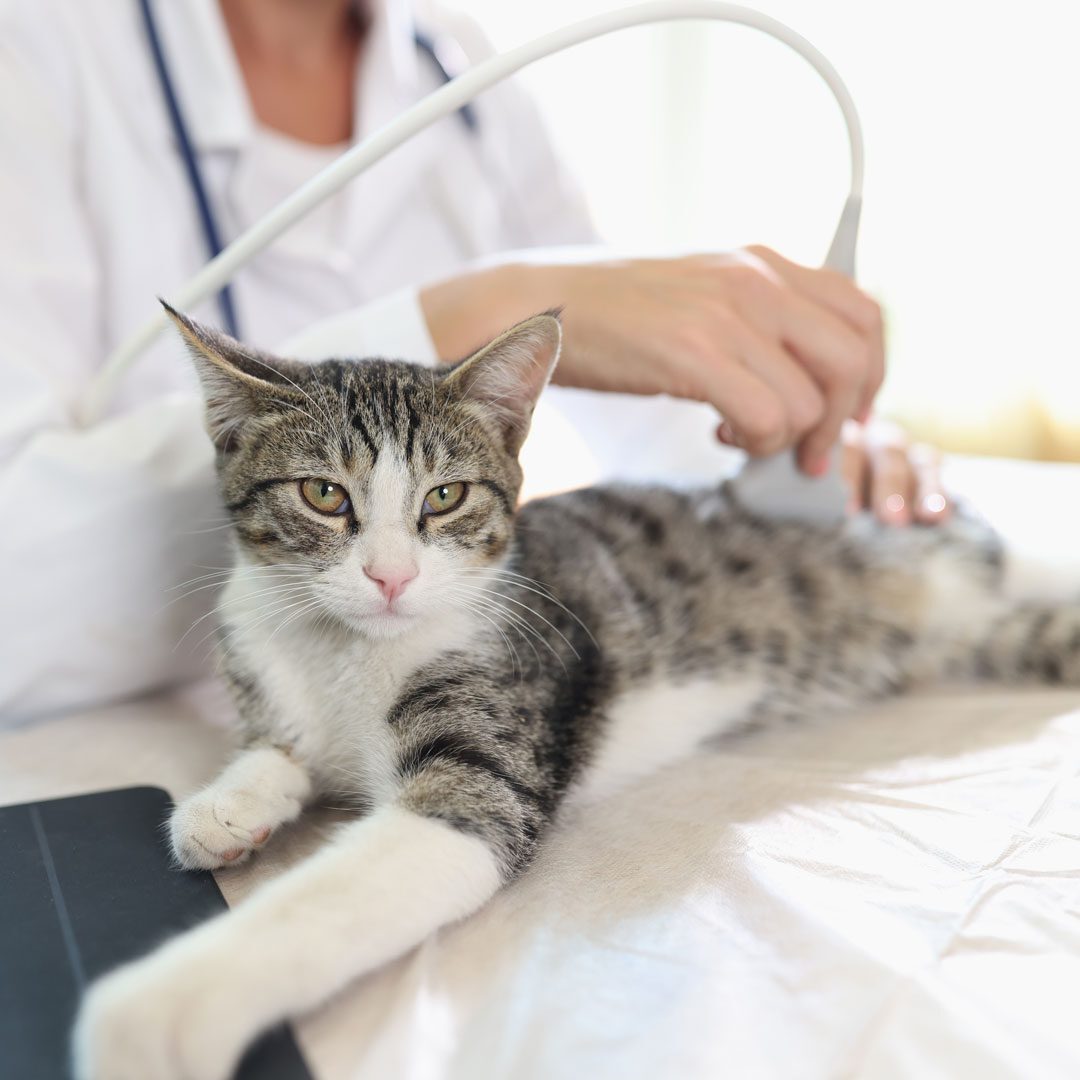
At Murieta Pet Hospital, we provide veterinary diagnostics in Rancho Murieta, CA, to help uncover what is happening and guide the next step in your pet’s care. Our modern animal hospital is equipped with in-house diagnostic tools, digital imaging, and experienced veterinarians who use test results alongside a hands-on exam and your pet’s history to make informed recommendations.
Book now to schedule an evaluation, or contact our team at (916) 885-0288 if your pet is showing signs of a problem.
When Might a Pet Need Diagnostic Testing?
Diagnostic testing helps us look beyond what we can see during an exam. Because pets often hide pain or illness, testing can help identify health concerns earlier and give your veterinarian a clearer understanding of what your pet needs.
Your pet may benefit from diagnostic testing if they are experiencing:
-
Vomiting or diarrhea
-
Coughing or breathing changes
-
Limping or mobility problems
-
Weight loss or appetite changes
-
Increased thirst or urination
-
Skin problems or chronic ear infections
-
Fatigue or behavior changes
-
Abdominal pain or bloating
-
Difficulty urinating
-
Seizures or neurologic symptoms
Diagnostics are also commonly recommended before surgery, during wellness visits, for senior pets, and when monitoring chronic conditions over time.
Advanced Diagnostic Tools
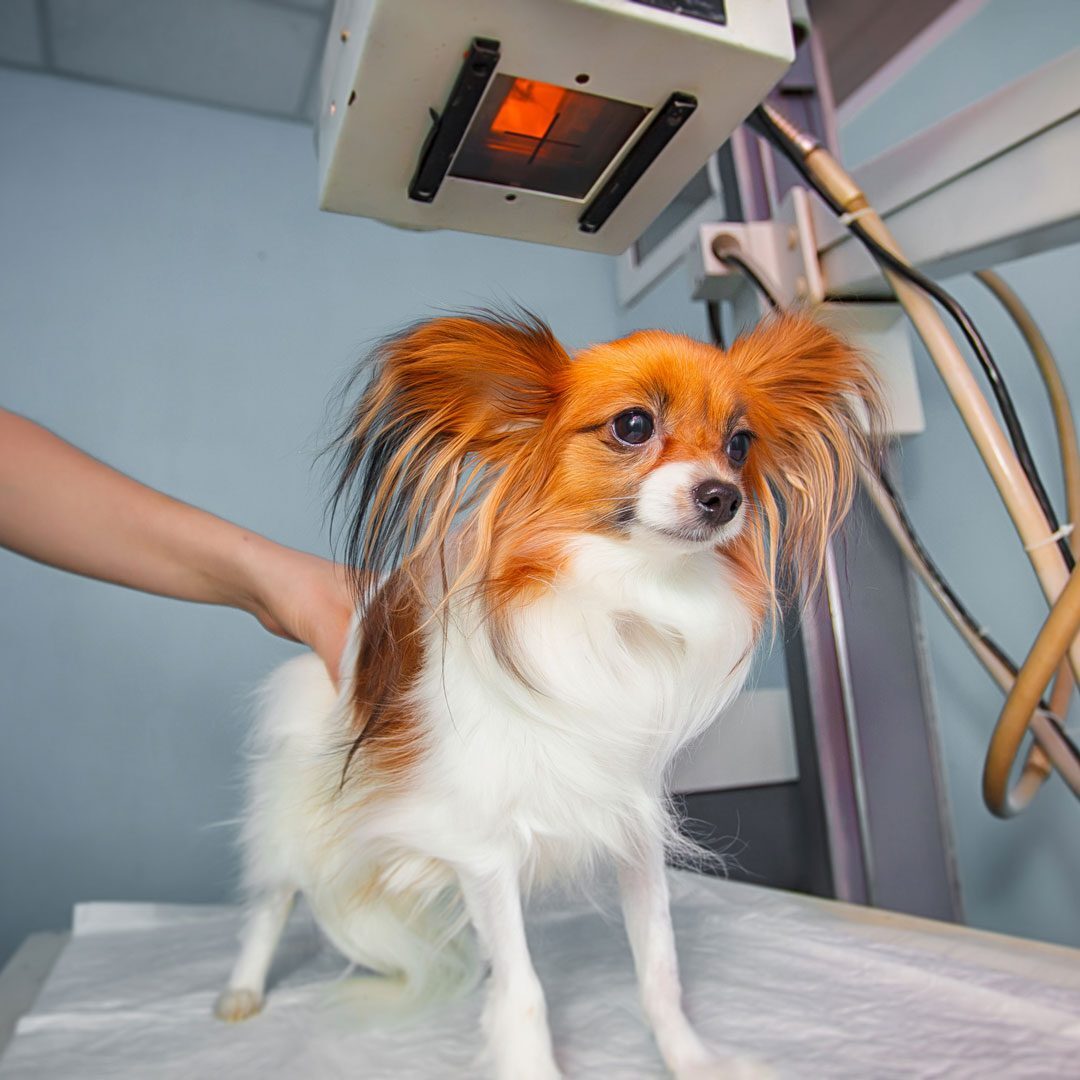
Murieta Pet Hospital is equipped with modern diagnostic technology that allows our veterinarians to evaluate many concerns in-house. This helps us gather information quickly, reduce unnecessary delays, and begin treatment sooner when your pet needs care.
Our diagnostic recommendations are tailored to your pet’s species, age, health history, symptoms, and exam findings. Because we care for dogs, cats, birds, and exotic pets, we take each patient’s unique needs into account when deciding which tests are most appropriate.
What Happens After Diagnostic Testing?
Once testing is complete, our veterinarians will review the results with you, explain what they mean, and walk you through the next steps. Our goal is to help you feel informed rather than overwhelmed.
Depending on your pet’s condition, your treatment plan may include:
-
Medication
-
Dietary changes
-
Surgery
-
Additional imaging or monitoring
-
Pain management
-
Hospitalization and supportive care
-
Long-term management for chronic disease
-
Referral for advanced specialist care
If your pet needs ongoing care, we will discuss what to watch for at home, when rechecks are recommended, and how follow-up testing may help us monitor progress.