
Cat & Dog Teeth Cleaning in Rancho Murieta, CA
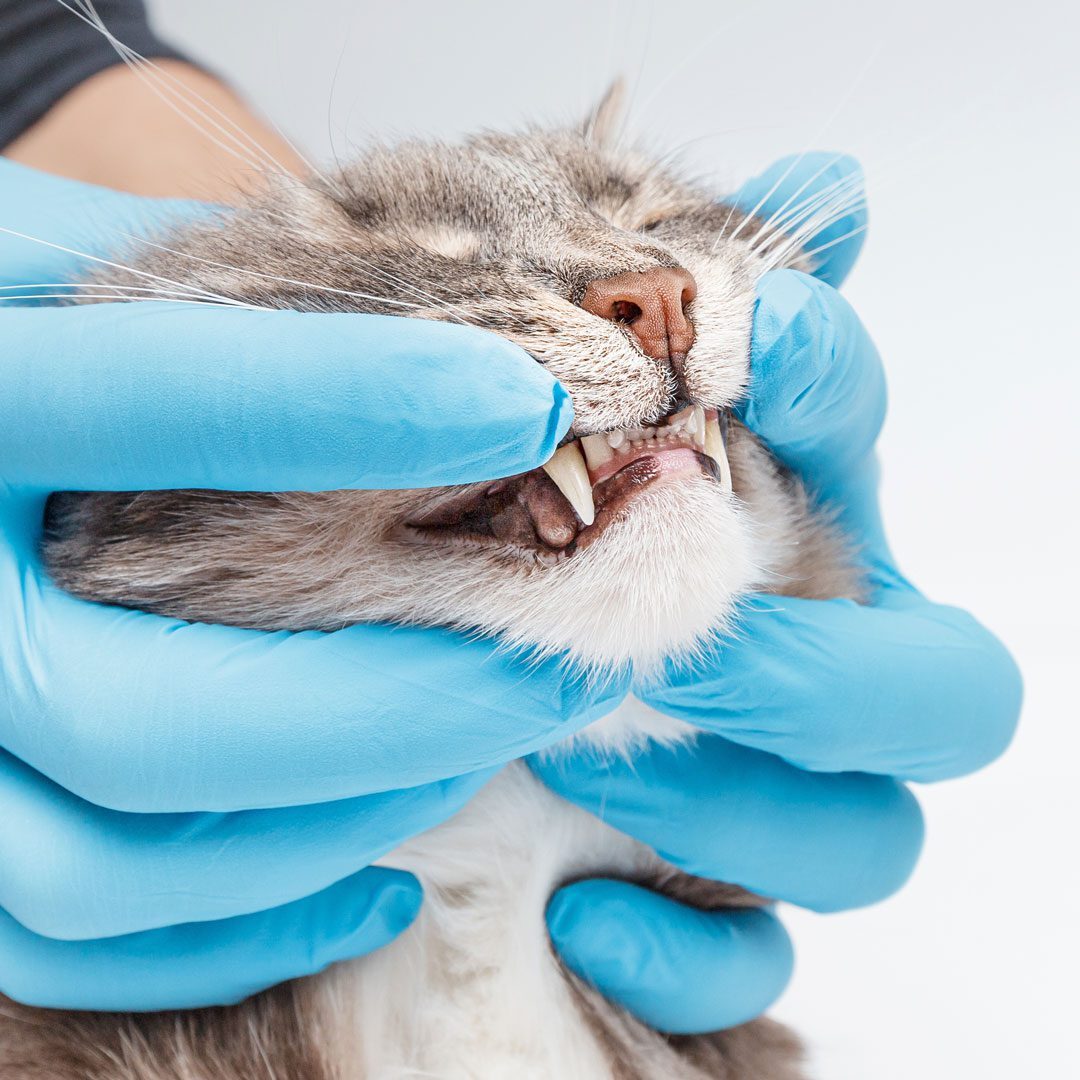
A change in your pet’s breath can be easy to dismiss at first. Maybe your dog still eats normally. Maybe your cat has always been private about discomfort. But dental disease often starts quietly, and by the time pets show obvious signs, they may already be dealing with infection, loose teeth, or oral pain.
At Murieta Pet Hospital, we provide cat and dog teeth cleaning services with a thorough, modern approach. Our Rancho Murieta animal hospital includes a dedicated dental suite and digital dental X-rays, allowing our team to evaluate your pet’s mouth beyond what we can see during an exam.
If your pet has bad breath, visible tartar, red gums, or trouble chewing, call us at (916) 885-0288 to schedule a dental evaluation.
Small Dental Changes Can Point to Bigger Problems
Pets rarely make dental pain obvious. Instead, the signs may show up as subtle changes in eating habits, energy, or behavior.
Schedule a dental evaluation if you notice:
-
Bad breath that does not improve
-
Yellow or brown buildup on the teeth
-
Red, swollen, or bleeding gums
-
Drooling more than usual
-
Dropping food while eating
-
Chewing on one side of the mouth
-
Pawing at the face or mouth
-
Less interest in food, treats, or chew toys
Even if your pet seems comfortable, routine dental care can help identify problems earlier and prevent small concerns from becoming more painful.
What Untreated Dental Disease Can Do to Pets
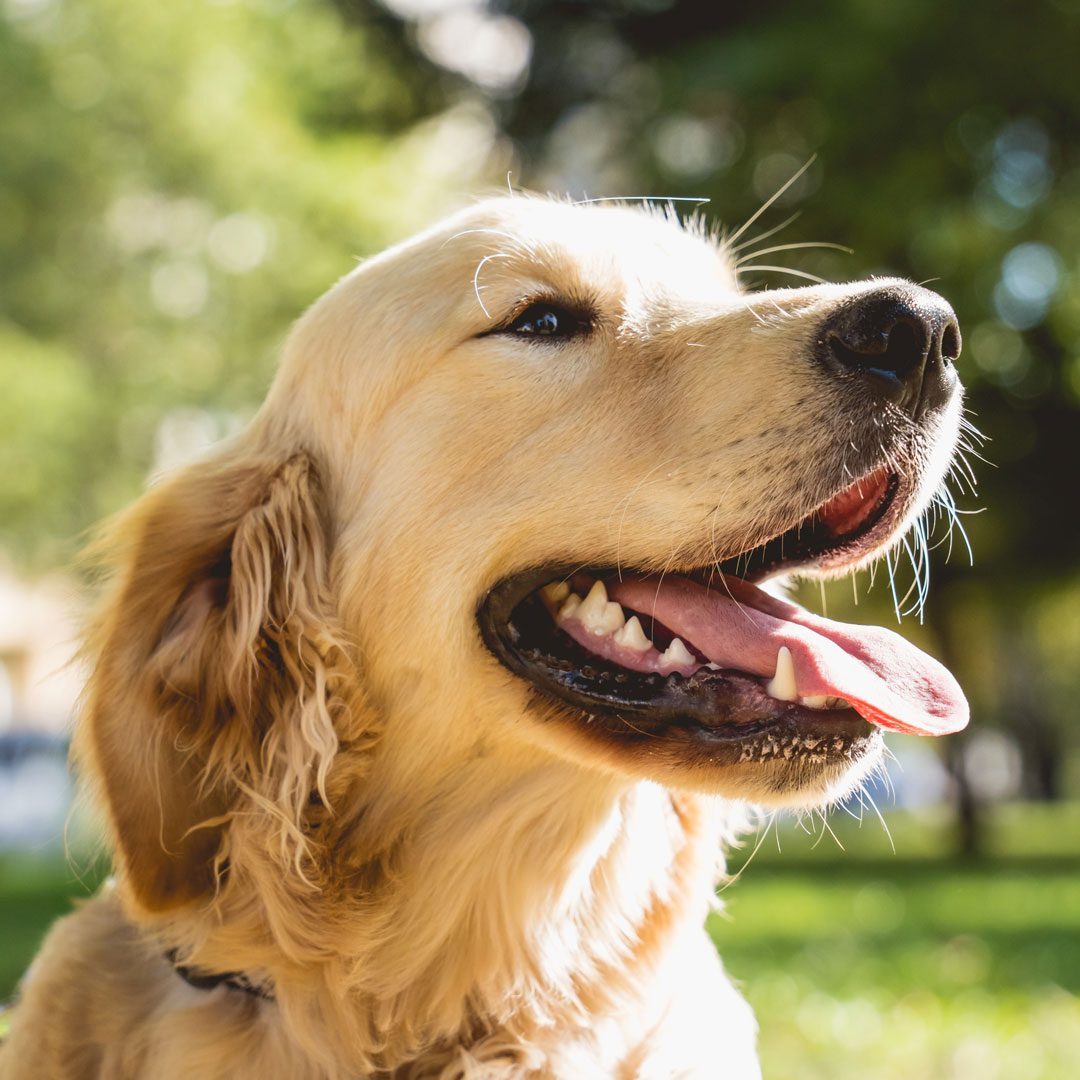
Dental disease can affect the way your pet eats, plays, and feels day to day. Over time, bacteria and inflammation in the mouth can lead to more serious concerns.
Untreated dental disease may contribute to:
-
Ongoing mouth pain
-
Loose or missing teeth
-
Gum infection
-
Difficulty chewing
-
Reduced appetite
-
Changes in behavior
-
Infection that spreads beyond the mouth
Many pet owners notice their pets seem brighter, more comfortable, and more interested in food after dental disease is treated.
Coming Home After a Dental Cleaning
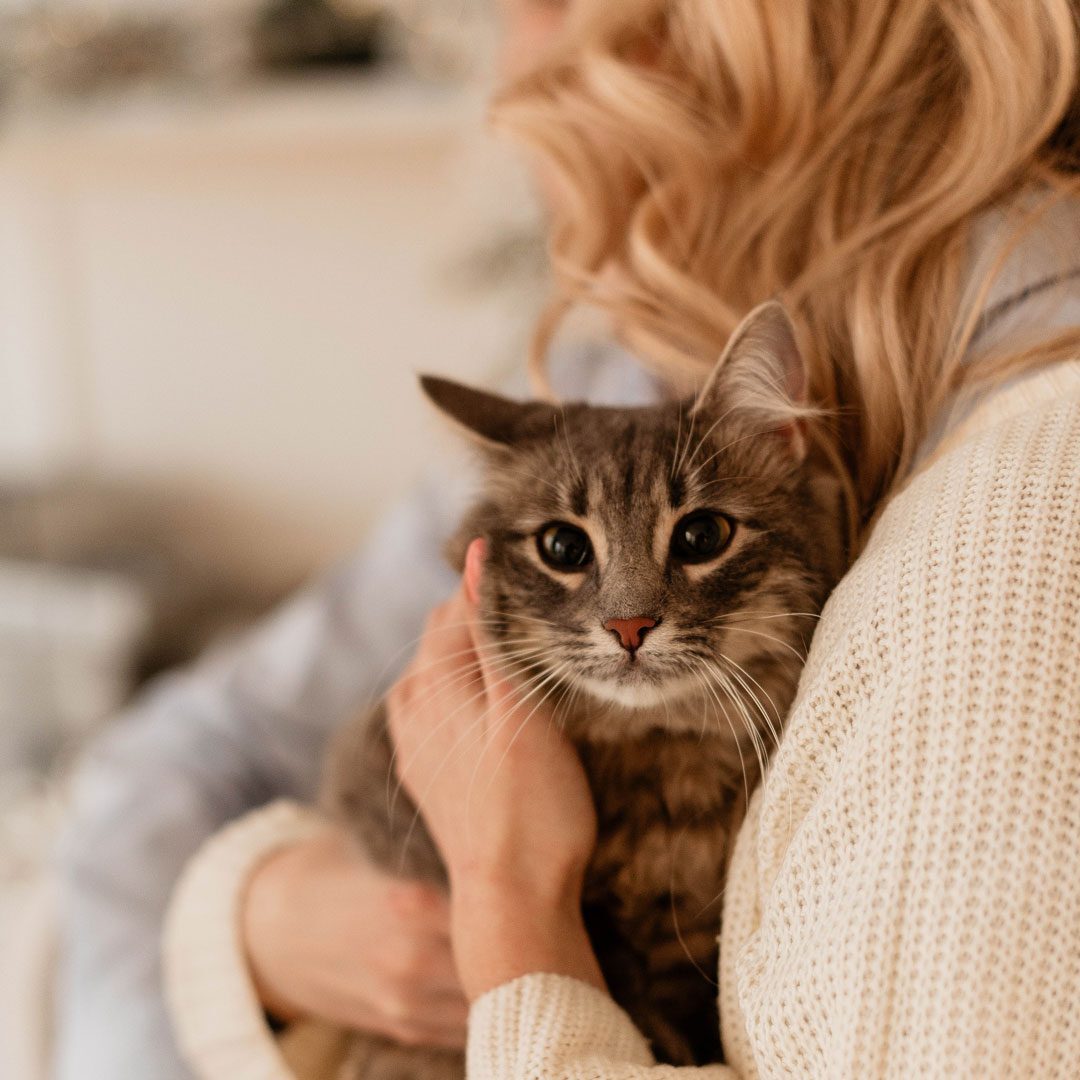
Most pets go home the same day as their dental procedure. Some may be sleepy after anesthesia, especially during the first evening, but our team will give you clear instructions before your pet leaves the hospital.
Depending on your pet’s dental findings, we may recommend:
-
Soft food for a short period
-
Pain medication after extractions
-
Activity restrictions for the first day
-
A recheck appointment when needed
-
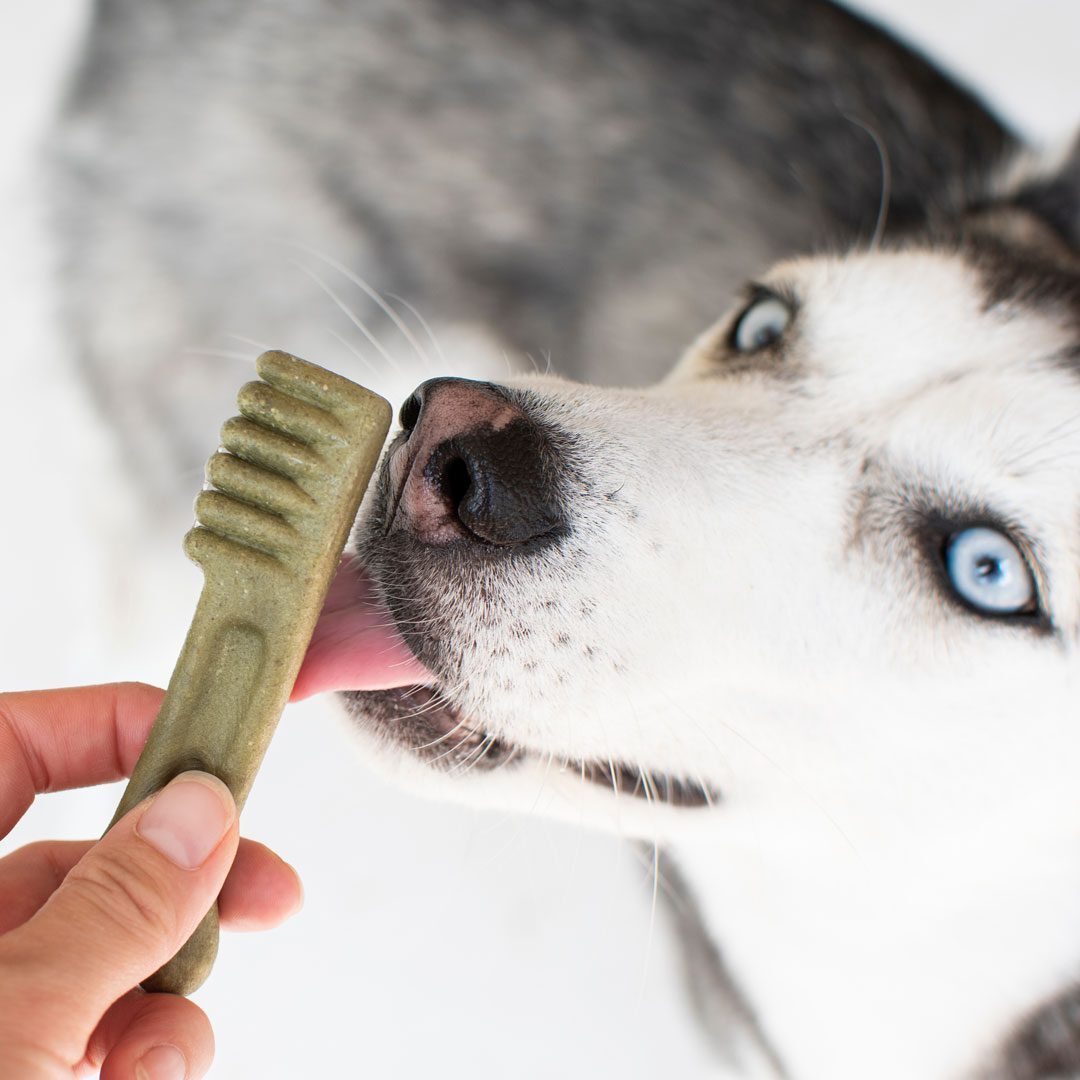
At-home dental care, such as brushing, dental chews, or dental diets
We’ll explain what we found, what we treated, and how you can help support your pet’s oral health at home.