
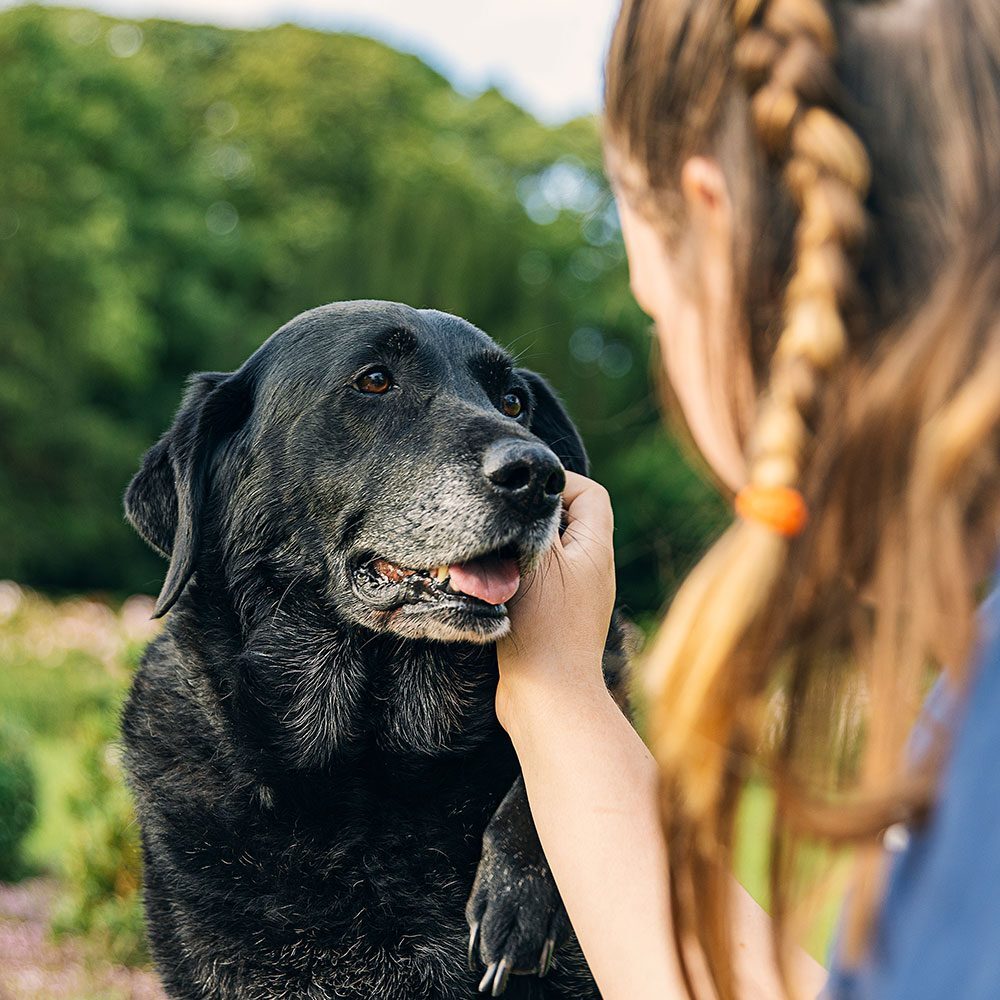
More Comfortable Years with Senior Cat and Dog Care in Rancho Murieta, CA
Your dog may be slower to get into the car, or your cat is sleeping more than usual, eating differently, or stepping away from routines they once enjoyed. These changes may seem subtle at first, but they can tell us a lot about your pet’s comfort, mobility, organ health, and quality of life.
If you’re looking for senior cat and dog care in Rancho Murieta, CA, Murieta Pet Hospital provides thoughtful support for aging pets through wellness exams, diagnostic screening, pain management, nutrition guidance, and ongoing monitoring. Our team helps you understand what may be changing, what can be treated, and how to support your pet through each stage of aging.
Book now to schedule your senior pet’s wellness visit, or call us at (916) 885-0288 if you have questions about changes you’ve noticed at home.
When Is a Pet Considered Senior?
A pet’s senior years depend on their species, size, breed, and overall health. Cats are often considered senior around 7 to 10 years old. Dogs may enter their senior stage around 6 to 9 years old, depending on breed size, with large-breed dogs typically aging faster than smaller dogs.
Senior pets benefit from more frequent checkups because health changes can develop quietly. Many older dogs and cats seem like themselves at home while early arthritis, dental disease, kidney changes, thyroid imbalance, high blood pressure, or metabolic disease may already be developing. For many senior pets, twice-yearly exams and routine lab screening give us a better way to track trends and respond sooner.
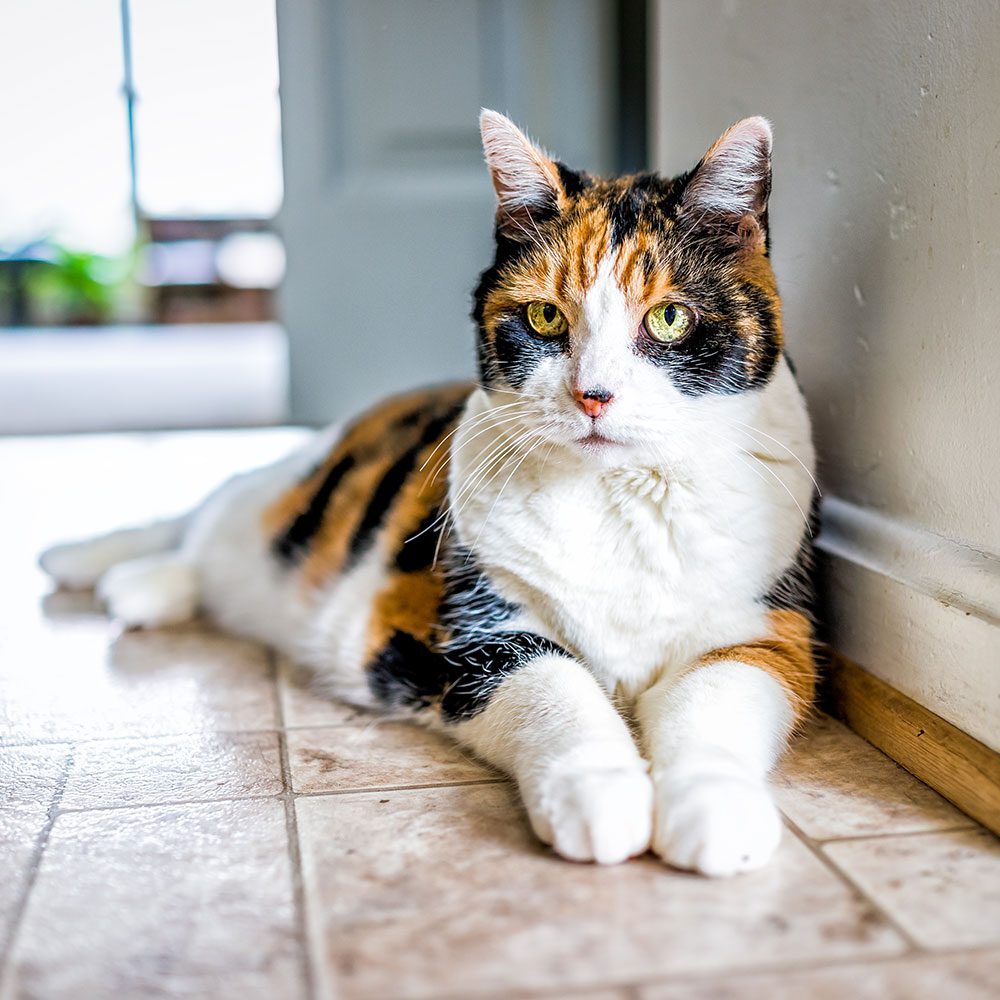
How We Help Senior Pets Thrive in Their Later Years
Senior pet care is about more than checking boxes during an exam. It is about building a plan that supports comfort, movement, appetite, organ health, and emotional well-being over time.
At Murieta Pet Hospital, senior wellness care may include thorough physical exams, bloodwork, urinalysis, thyroid testing, blood pressure screening, fecal testing, digital imaging, dental evaluation, and pain assessment. These tools help us monitor internal health and identify changes that may not be visible from the outside.
Pain management is also an important part of senior wellness. If your pet is slowing down, struggling with stairs, sleeping more, or becoming less tolerant of touch, we can evaluate for arthritis, dental pain, and other sources of discomfort. Treatment may include medications, nutritional supplements, weight management, nutrition changes, laser therapy, environmental adjustments, or additional diagnostics when needed.