
Your bird needs an avian vet because birds have unique anatomy, hide illness instinctively, and require diagnostic tools and handling techniques that many general practices rarely use. An avian vet has focused training in bird medicine, which leads to faster answers and care built around your feathered companion’s specific needs. Whether you share your home with a talkative African grey, a pair of lovebirds, or a backyard flock of hens, the right veterinarian makes a real difference in your bird’s health and lifespan. At Murieta Pet Hospital in Rancho Murieta, CA, we treat birds as the distinct patients they are, not as small dogs with feathers. Their respiratory systems, metabolism, and stress responses work in ways that call for specialized knowledge. In this guide, we’ll explain why choosing an avian vet matters, what happens during a first visit, how bird illnesses get diagnosed, and how an experienced avian vet supports everyday care and behavior.
Why Should I Take My Bird to an Avian Vet?
Birds differ from mammals in nearly every body system, and an avian vet trains specifically to understand those differences.
Birds Are Experts at Hiding Illness
As prey animals, birds instinctively mask weakness so they don’t attract predators. By the time a parakeet or cockatiel looks visibly sick, the underlying problem has often been developing for days or even weeks. An avian vet knows how to spot subtle changes in posture, feather condition, droppings, and breathing patterns that might slip past someone with less bird experience. Early detection gives your bird the best chance at a smooth recovery.
What Sets an Avian Vet Apart From a General Vet?
A general practitioner may see the occasional budgie, but an avian vet brings deeper focus and preparation to every bird appointment. Here’s what that expertise looks like in practice:
- Familiarity with species-specific needs, from canaries and conures to macaws and chickens
- Safe restraint techniques that reduce stress on small, fragile patients
- Understanding of avian anesthesia, which involves air sacs and breathing mechanics unlike any mammal
- Bird-appropriate diagnostic equipment and species-based lab reference ranges
- Ongoing continuing education through groups like the Association of Avian Veterinarians
Medication dosing also varies considerably. Birds process many drugs differently than dogs and cats do, and some medications considered safe for mammals can seriously harm a bird. Choosing an avian vet means your bird’s care plan accounts for these realities from the very first appointment.
What Happens at Your Bird’s Initial Exam?
A first visit with an avian vet establishes the healthy baseline your bird’s future care will build on.
We recommend scheduling this exam soon after you bring a new bird home, even if your bird seems perfectly healthy. Birds purchased from breeders, pet stores, or rescues can carry infections without showing any signs. During the appointment, your avian vet will ask about your bird’s age, origin, diet, cage setup, daily routine, and any other animals in your household. These details help the avian vet understand your bird’s environment and spot potential risks early.
A Thorough Hands-On Assessment
Next comes a careful physical exam designed around avian anatomy. A typical first exam includes:
- An accurate weight in grams, since even small shifts can signal a problem
- A look at the eyes, nares (nostrils), beak, and inside of the mouth
- An evaluation of feather quality, skin, and any signs of damage or abnormal molting
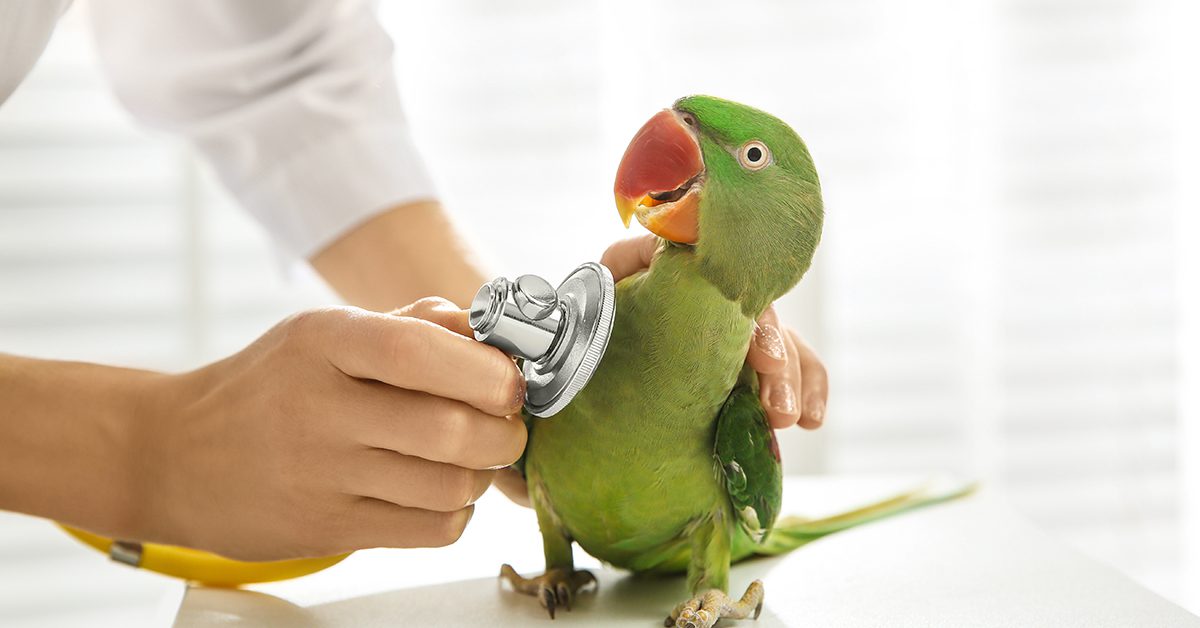
- Listening to the heart and air sacs
- A check of the keel (breastbone) to assess body condition and muscle mass
- An inspection of feet, nails, and droppings
Screening Tests for New Birds
Depending on your bird’s species, age, and history, the avian vet may recommend bloodwork, fecal testing, or screening for infectious diseases common in birds, such as psittacosis or avian polyomavirus. These tests matter most for newly adopted birds joining a home that already has feathered residents. Catching a contagious condition before introductions protects your whole flock.
How Does an Avian Vet Diagnose Illness in Birds?
Diagnosing a sick bird takes skill and speed, and an avian vet brings equipment suited to very small patients.
Warning Signs That Warrant a Prompt Visit
Because birds conceal symptoms so well, any noticeable change deserves attention. Contact your avian vet right away if you notice:
- Fluffed feathers for long stretches or sleeping more than usual
- Tail bobbing with each breath, open-mouth breathing, or clicking sounds
- Changes in the color, volume, or consistency of droppings
- A drop in appetite or unexplained weight loss
- Discharge from the eyes or nostrils
- Sitting on the cage floor instead of perching
Diagnostic Tools Built for Birds
An avian vet relies on testing methods calibrated for birds. Blood samples must stay very small because birds have a limited total blood volume, so collecting them safely takes practice and precision. Radiographs (X-rays) help evaluate bones, organs, and the digestive tract, while Gram stains and cultures can reveal bacterial or yeast imbalances. Some cases call for ultrasound or endoscopy for a closer look inside the body.
Interpreting these results correctly means knowing what’s normal for each species, and those values can vary widely between a tiny finch and a large cockatoo. With that knowledge, an avian vet can identify common bird conditions such as respiratory infections, nutritional deficiencies, egg binding, liver disease, and heavy metal toxicity, then recommend an appropriate treatment plan.
How an Avian Vet Supports Your Bird’s Basic Care
Much of a bird’s long-term health starts at home, and your avian vet acts as a partner in getting those daily details right.
Nutrition That Fits the Species
Many pet birds eat diets built mostly around seeds, which tend to be high in fat and low in key vitamins and minerals. Over time, an unbalanced diet can contribute to obesity, liver problems, and weakened immunity. Your avian vet can review what your bird eats now and suggest a diet that matches its species, age, and activity level. Nutritional needs differ greatly between a lorikeet, a parrot, and a laying hen, so personalized guidance pays off.
A Safe Home Environment
Birds have extremely sensitive respiratory systems. Fumes from overheated nonstick cookware, aerosol sprays, scented candles, and cigarette smoke can all pose serious risks. During wellness visits, your avian vet can discuss cage size, perch variety, lighting, and household hazards so you can set up a space where your bird can thrive.
Grooming and Routine Wellness Visits
Nail trims, beak assessments, and wing trims are best handled by a professional familiar with bird anatomy. An overgrown beak, for example, can point to an underlying health issue rather than a simple grooming need. Most birds benefit from a wellness exam at least once a year, which allows your avian vet to track weight trends and catch changes before they become emergencies.
Can an Avian Vet Help With Behavioral Issues?
Yes, and in many cases a vet visit should come first, because behavior changes in birds often have medical roots.
Feather Plucking and Self-Damaging Behavior
Feather destructive behavior ranks among the most common concerns bird owners bring to the clinic. Plucking can stem from skin infections, parasites, allergies, liver disease, or nutritional gaps. It can also develop from boredom, stress, or changes in the household. An avian vet starts by ruling out physical causes through an exam and diagnostic testing. Once medical issues are addressed or excluded, your avian vet can talk with you about environmental and social factors that may play a role.
Biting, Screaming, and Hormonal Changes
Parrots and other companion birds are highly intelligent and social, and they communicate through their behavior. A bird that suddenly starts biting, screaming excessively, or guarding its cage may be in pain, frightened, or experiencing seasonal hormonal surges. Chronic egg laying in female birds also falls into this category and can affect overall health. Your avian vet can help identify what’s driving the change and discuss management options that support both your bird’s well-being and your relationship with each other.
Enrichment matters too. Foraging opportunities, rotating toys, and regular interaction help meet a bird’s mental needs, and an avian vet can offer ideas suited to your bird’s species and personality.
Schedule Your Bird’s Visit at Murieta Pet Hospital
Birds deserve care from a team that understands how they live, breathe, and communicate. Partnering with an avian vet means earlier detection of illness, safer diagnostics, and guidance that fits your bird’s species rather than a one-size-fits-all approach. From a new bird’s first checkup to ongoing wellness exams and behavior concerns, the team at Murieta Pet Hospital is here to support bird owners throughout Rancho Murieta and the surrounding communities. If your bird is due for an exam, you’ve recently welcomed a new feathered family member, or you’ve noticed a change that has you concerned, don’t wait for symptoms to become obvious. Call us at (916) 885-0288 to schedule an appointment. We look forward to meeting you and your bird and helping your companion enjoy a long, healthy life.
About Us
At Murieta Pet Hospital in Rancho Murieta, CA, we provide modern veterinary care for dogs, cats, birds, and exotic pets. Our team offers wellness care, dentistry, diagnostics, surgery, and same-day appointments in a welcoming hospital setting.