
7 Common Reasons Why Cats Cough (and When to Worry)
Cat coughing is most commonly caused by hairballs, feline asthma, upper respiratory infections, heartworm disease, lungworms, pleural effusion, or lung tumors and knowing which one is behind your cat’s cough is the key to getting them the right care. That hacking, crouching sound can range from a routine hairball moment to an early warning sign of something that needs prompt veterinary attention. Cats are masters at masking discomfort, which means a cough that seems minor could be their only outward signal that something is wrong. Read on to learn what’s behind each cause, how to tell them apart, and when it’s time to call Murieta Pet Hospital in Rancho Murieta, CA.
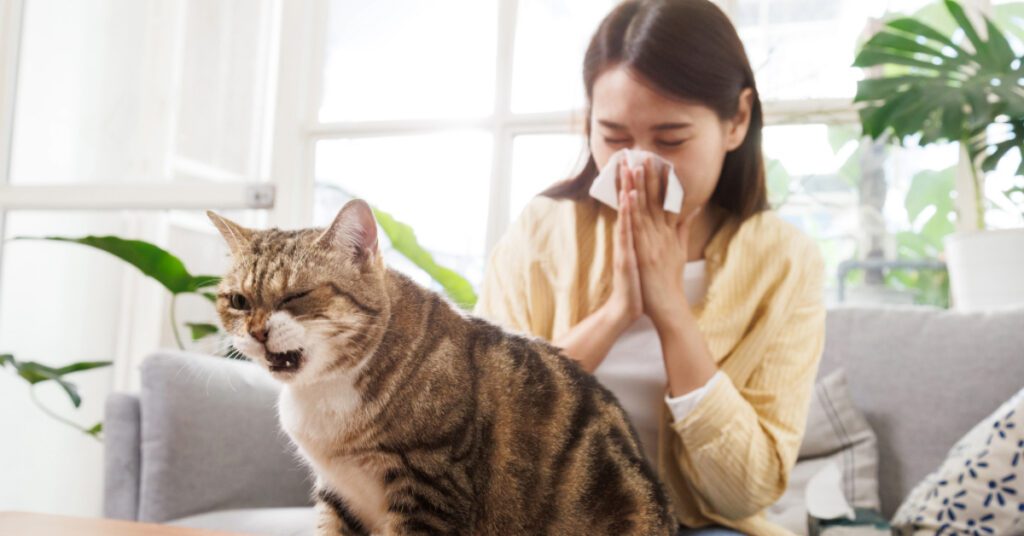
What Does a Coughing Cat Look and Sound Like?
Before diving into causes, it helps to understand what cat coughing actually looks like. Many pet owners confuse coughing in cats with gagging, retching, or reverse sneezing and the distinction matters for diagnosis.
A coughing cat typically crouches low with their neck extended, opens their mouth, and makes a repetitive hacking or wheezing sound. The cough may be dry, wet, or sound like a wheeze or honk depending on the cause. If you’re not sure whether your cat is coughing or doing something else, a video recorded on your phone can be incredibly helpful to share with the veterinary team at Murieta Pet Hospital.
7 Common Reasons Cats Cough
Hairballs
The most common reason cats cough is hairballs and most cat owners are familiar with the experience. When cats groom themselves, they ingest loose fur, which accumulates in the stomach and is eventually expelled through coughing or retching. The occasional hairball cough is normal, especially in long-haired cats.
However, if your cat is coughing frequently but not producing a hairball, or if you notice other symptoms like vomiting, lethargy, or constipation, a hairball may be obstructing the digestive tract, which requires veterinary attention.
Feline Asthma
Feline asthma is one of the most common causes of chronic coughing in cats. It’s caused by airway inflammation triggered by allergens like dust, smoke, mold, pollen, or certain cat litters. A cat with asthma typically coughs in a low crouch, sometimes with labored breathing or wheezing between episodes.
Feline asthma cannot be cured, but it can be managed effectively with veterinary guidance. If your cat’s coughing is recurring and seems to correlate with specific environments or seasons, feline asthma is a strong possibility.
Upper Respiratory Infections
Just like people, cats can develop upper respiratory infections (URIs) caused by viruses like feline herpesvirus or calicivirus, or by bacteria. Cat coughing associated with a URI is often accompanied by sneezing, nasal discharge, watery eyes, and mild fever.
URIs are especially common in multi-cat households, shelters, and cats with weakened immune systems. Most cases are manageable with supportive care, but bacterial infections may require antibiotics.
Heartworm Disease
Heartworm disease in cats is less common than in dogs, but it does occur and in cats, the heart and lungs are both affected. Cat coughing is one of the primary signs of feline heartworm disease, along with rapid breathing, vomiting, and sudden lethargy.
Importantly, cats can be infected with heartworms even if they never go outdoors, since mosquitoes can enter the home. There is currently no approved treatment for feline heartworm disease, so prevention is essential. Our team at Murieta Pet Hospital can discuss heartworm prevention options for your cat.
Lungworm Infection
Lungworms are parasites that infect the respiratory tract of cats, usually contracted through ingestion of infected prey like birds or rodents. A cat with lungworms may have a persistent cough, wheeze, or show signs of respiratory distress.
Lungworm infections are more common in outdoor or indoor-outdoor cats who hunt. Diagnosis typically requires a fecal test or specialized respiratory testing, and treatment involves antiparasitic medications prescribed by a veterinarian.
Pleural Effusion
Pleural effusion is the accumulation of fluid around the lungs, which can compress the airways and cause a cat to cough. It can result from heart disease, cancer, infection, or trauma. Cat coughing caused by pleural effusion is often accompanied by labored or rapid breathing, reduced activity, and a hunched posture.
This is a serious condition that requires prompt diagnosis and treatment. If your cat is coughing and also appears to be struggling to breathe, contact Murieta Pet Hospital in Rancho Murieta, CA right away.
Lung Tumors or Cancer
While less common, tumors affecting the lungs or chest cavity can cause a cat to cough. Pulmonary tumors may be primary (originating in the lung) or secondary (spreading from elsewhere in the body). Coughing associated with cancer is often chronic and progressive, and may be accompanied by weight loss, reduced appetite, and general decline. Early detection significantly impacts outcomes for cats with respiratory tumors, which is why ongoing wellness exams are so important, particularly for senior cats.
When Should You Worry About a Cat Coughing?
Occasional coughing, especially when linked to an obvious trigger like grooming or a known hairball, is usually not an emergency. However, cat coughing warrants a call to your veterinarian when:
- Coughing occurs multiple times a day or is worsening over time
- Your cat is coughing and also showing difficulty breathing
- There is blood in what your cat coughs up
- The cough is accompanied by weight loss, lethargy, or loss of appetite
- Your cat’s cough has persisted for more than a week without improvement
- You have never had your cat evaluated for coughing and symptoms are new
If your cat appears to be in respiratory distress such as breathing with their mouth open, sides heaving, or sitting in an unusual position to breathe, this is an emergency that requires immediate veterinary care.
How Vets Diagnose and Treat Cat Coughing
When a coughing cat comes in to Murieta Pet Hospital, our veterinary team will take a thorough history and perform a physical examination that includes listening to the chest with a stethoscope. Depending on what is found, diagnostics may include:
- Chest X-rays to evaluate the lungs and airways
- Blood work and a complete blood count
- Fecal testing for parasites
- Bronchoscopy or airway washing in complex cases
Treatment for cat coughing depends entirely on the underlying cause. Feline asthma is managed with inhalers or oral medications. Infections are treated with appropriate medications. Parasites are addressed with targeted treatments. The goal is always to identify the root cause and provide targeted relief.
What Your Cat’s Cough Is Trying to Tell You
A cough is your cat’s body signaling that something isn’t quite right in the respiratory tract. While not every cat cough is cause for alarm, ignoring a persistent cough can allow underlying conditions to progress unchecked.
If your cat has been coughing regularly or you’ve noticed changes in their breathing, call us at (916) 885-0288 or book an appointment online with Murieta Pet Hospital in Rancho Murieta, CA. The sooner the cause is identified, the sooner your cat can breathe and feel better.
About Us
At Murieta Pet Hospital in Rancho Murieta, CA, we provide modern veterinary care for dogs, cats, birds, and exotic pets. Our team offers wellness care, dentistry, diagnostics, surgery, and same-day appointments in a welcoming hospital setting.