
Uncategorized
Why Cats Get Hairballs (and When They Become a Problem)

Cats get hairballs because they swallow loose fur while grooming, and some of that fur collects in the stomach instead of passing through the digestive tract. An occasional hairball is fairly normal, but frequent cat hairballs, repeated retching with nothing coming up, or vomiting paired with appetite changes can signal a health problem that needs…
Read MoreWhy Does My Dog Have Bad Breath?

Most bad breath in dogs comes from dental disease, specifically a buildup of plaque, tartar, and bacteria along the gumline. Less often, a persistent odor points to a health problem elsewhere in the body, such as kidney disease, diabetes, or a digestive issue. Plenty of owners assume “doggy breath” is just part of life with…
Read MoreWhy Your Bird Needs a Specialized Avian Vet, Not Just a General Vet
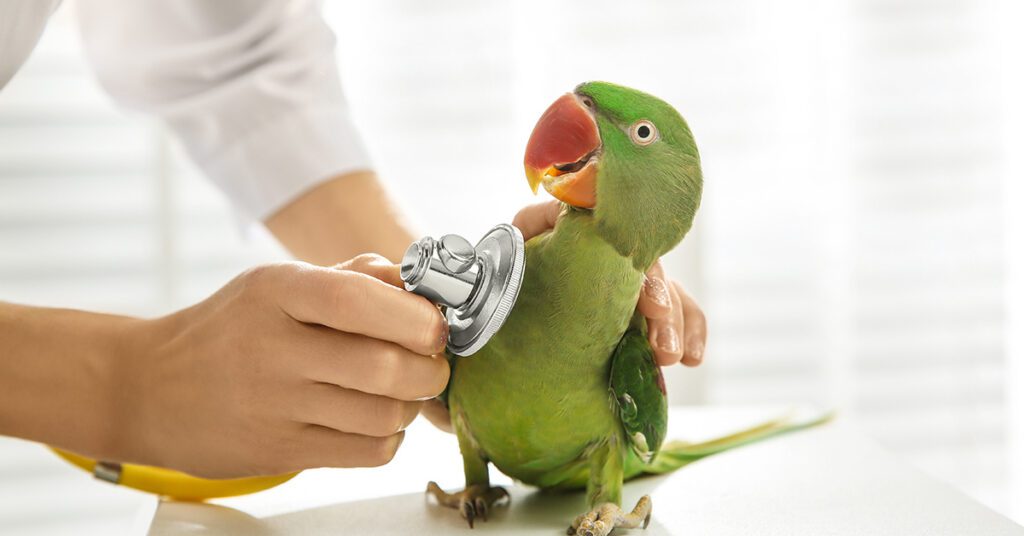
Your bird needs an avian vet because birds have unique anatomy, hide illness instinctively, and require diagnostic tools and handling techniques that many general practices rarely use. An avian vet has focused training in bird medicine, which leads to faster answers and care built around your feathered companion’s specific needs. Whether you share your home…
Read More7 Common Reasons Why Cats Cough (and When to Worry)

7 Common Reasons Why Cats Cough (and When to Worry) Cat coughing is most commonly caused by hairballs, feline asthma, upper respiratory infections, heartworm disease, lungworms, pleural effusion, or lung tumors and knowing which one is behind your cat’s cough is the key to getting them the right care. That hacking, crouching sound can range…
Read MoreWhat to Do Immediately If Your Dog Gets Stung by a Bee
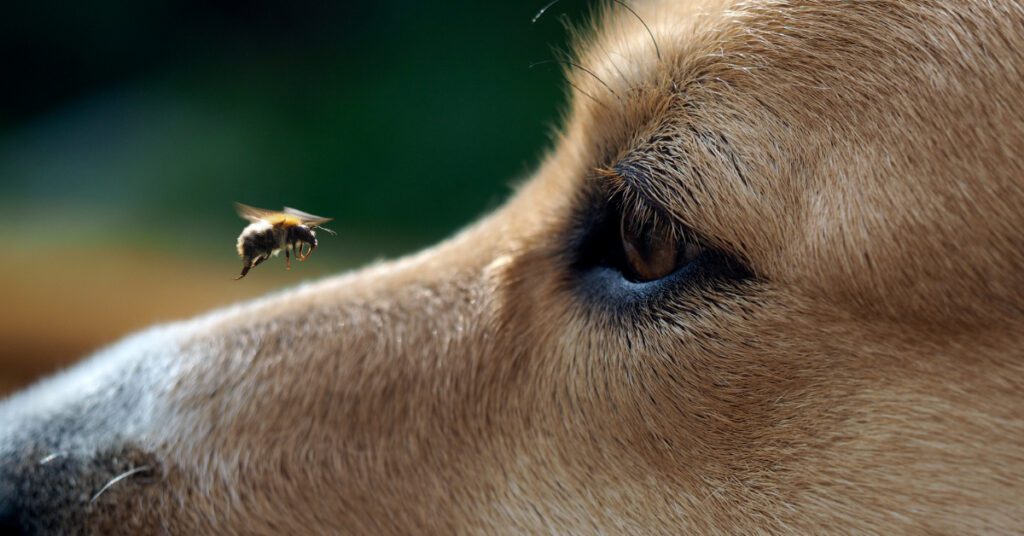
What to Do Immediately If Your Dog Gets Stung by a Bee A dog stung by a bee needs your attention right now. Check for a stinger, remove it by scraping sideways, and watch your dog closely for signs of an allergic reaction. Most bee stings cause temporary pain and localized swelling that resolves on…
Read MoreStep-by-Step Guide: How to Safely Remove a Tick From Your Dog
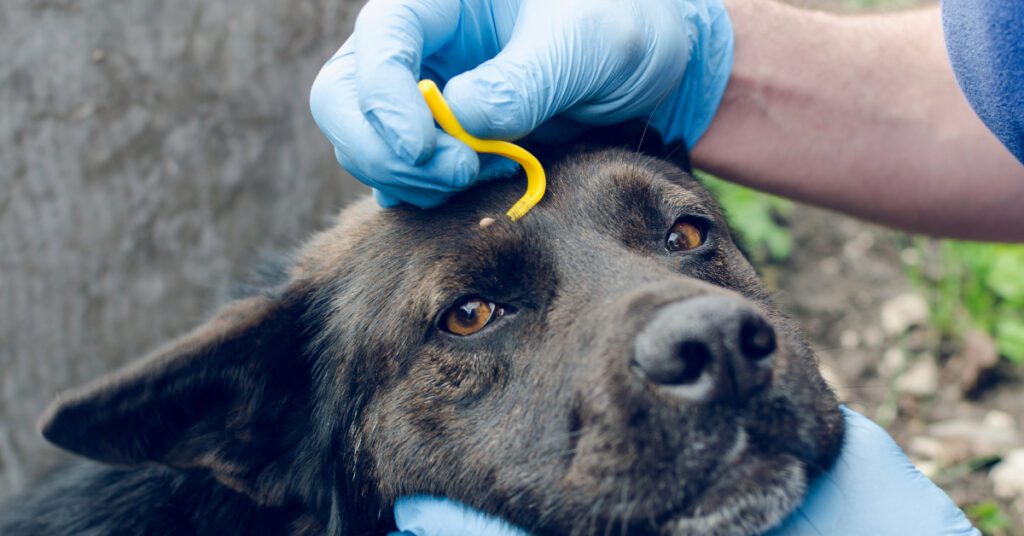
Step-by-Step Guide: How to Safely Remove a Tick From Your Dog Finding a tick on your dog is unsettling, but knowing how to respond makes all the difference. Removing a tick from a dog quickly and correctly is one of the most important things you can do to protect your pet from tick-borne diseases like…
Read MoreSpecialized Care for Special Pets: Why You Should Choose an Exotic Vet
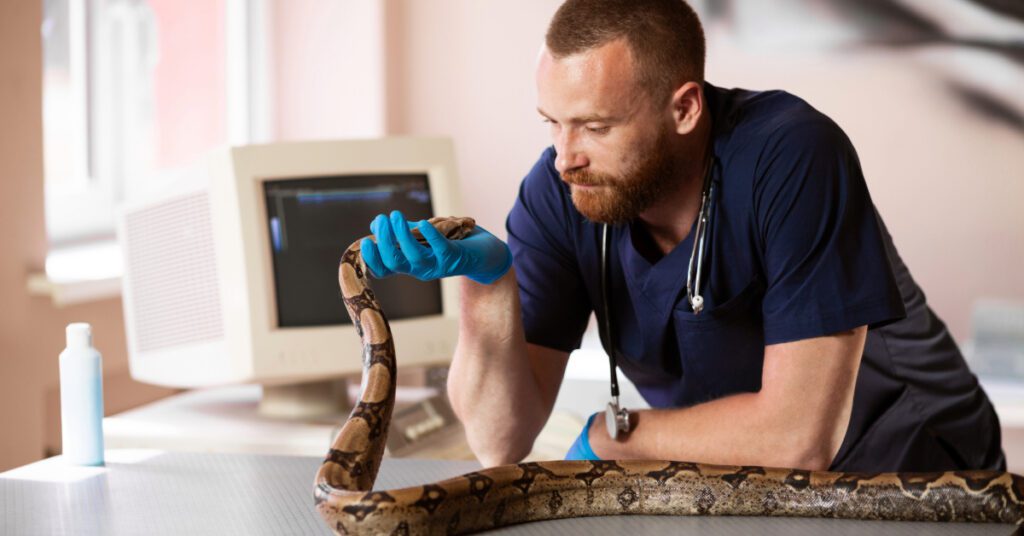
Specialized Care for Special Pets: Why You Should Choose an Exotic Vet If your household includes a rabbit, a bearded dragon, a parrot, or a ferret, you already know that these animals are anything but ordinary and their veterinary care shouldn’t be either. An exotic vet is a veterinarian with specialized training and experience in…
Read MoreEmergency or False Alarm? How to Tell If Your Dog Needs the Urgent Vet

Emergency or False Alarm? How to Tell If Your Dog Needs the Urgent Vet When your dog is acting off, it can be hard to know whether you’re dealing with a minor issue or a genuine emergency. Do you head straight to the urgent vet, or wait and see? Knowing the difference between a false…
Read MoreWhat Is a Hot Spot on a Dog and How Do You Treat It?

What Is a Hot Spot on a Dog and How Do You Treat It? If you’ve ever noticed your dog obsessively licking, scratching, or chewing one spot on their body, you may be dealing with a hot spot. So, what is a hot spot on a dog? A hot spot is a localized area of…
Read More